Welcome to the LINK-PP Community

More Posts

Wi-Fi technology enables wireless internet access for devices like phones, laptops, and tablets, using radio waves for fast, cable-free connectivity.

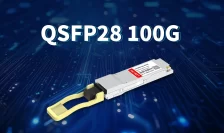
Discover the LINK-PP LQ-M85100-SR4C QSFP28 100G SR4 transceiver—ideal for short-reach 100G Ethernet over MMF. Compatible with Cisco, Arista, FS, Dell, and more.
Learn what a ToR (Top-of-Rack) switch is, how ToR architecture works, and why it’s the preferred networking model in modern data centers. Includes benefits, use cases, and compatible optical transceiver solutions from LINK-PP.
Discover the Decision Feedback Equalizer (DFE), the nonlinear technique essential for minimizing ISI. Learn how DFE improves bit BER in optics transceivers and long-haul data links.
Learn what FFE (Feed-Forward Equalizer) is, how transmit equalization works, and why FFE is essential for high-speed optical modules and SerDes signal integrity.
1000BASE-SX SFP Optical Transceiver specs: 1.25Gbps, 850nm, up to 550m on multimode fiber, LC connector, DOM, and broad device compatibility explained.
HTTP vs HTTPS: HTTPS encrypts data for secure transmission, while HTTP leaves information exposed. Choose HTTPS for privacy, trust, and compliance.
WLAN covers all wireless local area networks, while Wi-Fi is a specific WLAN type using set standards for fast, reliable connections.
A wireless LAN (WLAN) connects devices like laptops and phones using radio waves, enabling flexible, cable-free networking in homes, schools, or offices.
Compare 100G LR4, CWDM4, and PSM4 to find the best 100G transceiver for your network based on distance, cost, and cabling requirements.
Discover SONET and SDH, the backbone technologies for high-speed fiber-optic communications. Learn about their standards, applications, and differences to enhance your network infrastructure knowledge.
Learn what an SFP link is, why it fails, and how to fix compatibility, cabling, and link-flap issues with practical checks and clear steps.
What are SFP ports on a switch? Learn how SFP ports support fiber and Ethernet connections, how they compare with RJ45 and SFP+, and which module you need.
MSA standardize optical transceiver designs, ensuring compatibility, reducing costs, and driving innovation across networking equipment.
Medical-grade RJ45 connector ensures safe, reliable, and compliant network connections in medical devices, meeting IEC 60601-1 and sterilization standards.
Optical transceivers in UAVs enable high-speed, secure, and low-latency drone communication for real-time video, telemetry, and mission-critical data.
Explore the technology behind 400 G QSFP‑DD transceivers, including form factor, modulation, optical lanes, and thermal design.
Understand hot‑pluggable optical modules insertion cycle limits, and learn care tips—including ESD-safe handling, dust prevention, and heat management.
SFP-10G-ZR is a 10Gbps transceiver for single-mode fiber, supporting up to 80 km reach at 1550nm, ideal for long-distance 10G Ethernet connections.
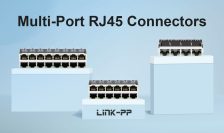
Explore multi‑port RJ45 connectors (1×N, 2×N). Shielded/unshielded options, LED or non‑LED, RoHS‑compliant — perfect for switches & embedded systems.
Understand what a Digital Communication Analyzer (DCA) is, how it works, and why it is essential for optical module testing, eye diagrams, and signal integrity.
DDM/DOM in optical transceivers provides real-time monitoring of key parameters like temperature and power, ensuring network reliability and early issue detection.
Discover the benefits of copper-based interconnects for data centers. Learn how they reduce costs, improve connectivity, and support network efficiency.
Direct Memory Access (DMA) lets hardware devices transfer data to or from memory without CPU involvement, boosting speed and system efficiency.
Access control lists define who can access or modify files and networks, improving security by setting clear permissions for users and devices.
Border Gateway Protocol (BGP) manages how data travels between networks, ensuring efficient, reliable routing across the global Internet.
A power distribution unit ensures safe, efficient power delivery to data center equipment, preventing overloads and supporting reliable IT operations.
Wi-Fi technology enables wireless internet access for devices like phones, laptops, and tablets, using radio waves for fast, cable-free connectivity.
Discover the Decision Feedback Equalizer (DFE), the nonlinear technique essential for minimizing ISI. Learn how DFE improves bit BER in optics transceivers and long-haul data links.
Learn what FFE (Feed-Forward Equalizer) is, how transmit equalization works, and why FFE is essential for high-speed optical modules and SerDes signal integrity.
Learn what 40GBASE-ER4 is, how far it reaches over duplex single-mode fiber, what it supports, and how to choose the right QSFP+ optic.
Understand SFP+ 40km (10GBASE-ER) modules, including specs, SMF compatibility, and how to choose the right extended-reach optical transceiver for your network.
Understand SFP 850nm vs 1310nm differences in fiber type, distance, cost, and use cases. Learn which SFP module is right for your network.
Learn 2.5G Copper SFP (2.5GBASE-T), compatibility, Cat5e/Cat6 support, 100m reach, and why it bridges 1G and 10G Ethernet upgrades.
Complete guide to GLC-SX-MMD 1000BASE-SX SFP module: specs, MMF vs SMF, DOM features, compatibility, and best alternatives for cost-effective deployment.
Learn what a 2.5 Gbps SFP module is, how it works, and compatibility with SFP+ ports. Explore performance insights, standards, and buying tips.
Learn how compatible transceivers work and how to ensure switch compatibility. Avoid SFP errors, vendor locks, and choose the right module confidently.
Learn what an MMF SFP Module is, how it differs from SMF, how to identify it, and how to avoid compatibility mistakes in real deployments.
Learn what Small Form-factor Pluggable Plus SFP+ is, how it works, compatibility rules, common use cases, and how to choose the right module.
Learn how a 1000BASE-T SFP transceiver module works with Category 5 copper wire, including compatibility limits, heat issues, and real-world deployment tips.