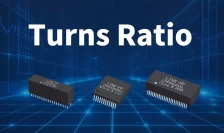
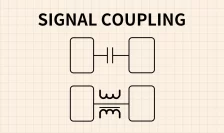
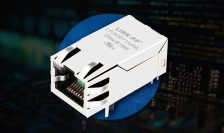
Turns ratio in LAN transformers defines the winding relationship, typically 1:1, ensuring signal integrity, voltage stability, and Ethernet compliance.
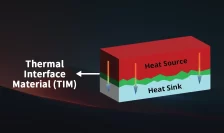
Explore what Thermal Interface Material (TIM) is, its key types, and why it matters in electronics and optical transceivers. Learn how TIM improves heat transfer, boosts device reliability, and supports LINK-PP modules—all explained clearly for better SEO and reader value.
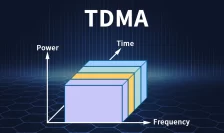
Time Division Multiple Access allows multiple users to share one channel by assigning time slots, ensuring clear calls and efficient data in modern networks.
Discover how TSN (Time-Sensitive Networking) brings deterministic, low-latency, and reliable data delivery to Industry 4.0 and automotive Ethernet networks.
Understand the role of 1x9 transceivers in fiber optic networks, their cost-effectiveness, compatibility with legacy systems, and reliable data transmission.
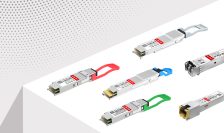
Understand 100G optical transceiver form factors like QSFP28, CFP, CFP2, CFP4 and CXP. Learn how they optimize network performance and ensure compatibility.
Dual rate transceivers operate at two distinct data rates, offering flexibility, cost-effectiveness, and seamless compatibility for modern network upgrades.
CAT5e vs CAT6 vs CAT7: Compare Ethernet cables to find the best fit for your network. Learn about speed, shielding, and cost to make an informed choice.
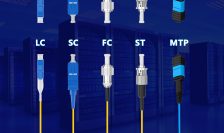
Explore common fiber connector types like SC, LC, ST, FC, and MPO/MTP, their characteristics, and applications in optical transceivers for efficient networks.
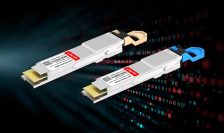
QSFP-DD Optical Transceivers deliver up to 800Gbps speeds, offering high bandwidth, energy efficiency, and compatibility for modern networks and data centers.
CPRI (Common Public Radio Interface) connects baseband units to remote radio units, enabling high-speed, low-latency communication in wireless networks.
Discover how EEPROM ensures reliable configuration, superior compatibility, and lifetime flexibility in networking hardware: from RJ45 to optical modules.
Discover how DDMI—the Digital Diagnostic Monitoring Interface—gives real-time insights into optical transceivers. Learn its key metrics, benefits, and how LINK-PP modules support it.
Explore how LINK-PP optical modules enhance MPLS networks, supporting high-speed, reliable data transmission for carrier backbones, DCI, and enterprise VPNs.
TDM (Time-Division Multiplexing) lets multiple signals share one channel by assigning time slots, improving efficiency in telecom, broadcasting, and networks.
Learn what hyperconverged infrastructure HCI is, how it compares with virtualization and dHCI, and when Nutanix, Sangfor, or SFP-based designs fit best.
LINK-PP is expanding with new production lines, strategic partnerships, and innovative RJ45 connectors, driving advancements in global connectivity solutions.
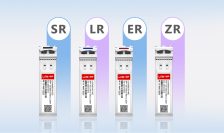
Understand optical transceiver terminology like SR, LR, ER, and ZR to choose the right module for your network's speed, distance, and compatibility needs.
LINK-PP 100G transceivers deliver high-speed connectivity, energy efficiency, and seamless integration, making them ideal for modern networks and data centers.
Learn how to choose the best LINK-PP 10G optical transceivers for your network by evaluating compatibility, performance, cost, and scalability effectively.
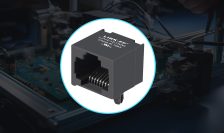
The LPJE101NNL 8P8C RJ45 Jack offers reliable 10/100 Base-T Ethernet connectivity with gold-plated contacts, compact design, and compliance with IEEE 802.3 standards.