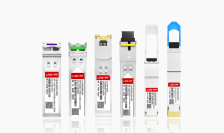
Optical modules enable high-speed, low-latency links across 5G fronthaul, midhaul, and backhaul. Learn how transceiver types, standards, and deployment needs shape modern telecom networks.
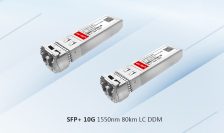
Discover the LINK-PP LS-MM8510-S3C, a 100% MSA-compliant & fully compatible replacement for the Juniper EX-SFP-10GE-SR. Save up to 60% without sacrificing performance. Features DDM/DOM support. Ideal for data center & enterprise networks.
Explore what a telecom network is, how it works, and its role in 5G. Learn opportunities, challenges, and how LINK‑PP solutions support next-gen networks.
Explore how RJ45 Magjack connectivity solutions from LINK-PP enhance telecom infrastructure—improving reliability, PoE support and integration for next-gen networks.
Discover how TSN (Time-Sensitive Networking) brings deterministic, low-latency, and reliable data delivery to Industry 4.0 and automotive Ethernet networks.
Maximize network efficiency with LS-Explore practical tips and best-practice deployments for the LINK-PP LS-BL332710-60C 10G BiDi SFP+ (60 km). Learn when to choose BiDi, how to validate links, and deployment checklists.
Machine Learning (ML) enables computers to learn from data, identify patterns, and make predictions, powering tools like voice assistants and recommendations.
Learn what the SFP28 MSA (Small Form-factor Pluggable 28 Multi-Source Agreement) defines, why it matters for 25G Ethernet, and how it ensures module interoperability.
Virtual Routing and Forwarding (VRF) enables multiple private routing tables on one device, improving network security, segmentation, and traffic management.
What are SFP ports on a switch? Learn how SFP ports support fiber and Ethernet connections, how they compare with RJ45 and SFP+, and which module you need.
An SGMII SFP transceiver enables fast Ethernet connections over copper or fiber, supporting flexible speeds and device compatibility in modern networks.
Central Management Server streamlines server management, enabling secure, centralized control, updates, and monitoring for multiple systems in one place.
Dispersion compensation in optical systems corrects chromatic dispersion, ensuring clear, accurate signals in fiber optic communication and imaging applications.
In-band Network Telemetry embeds real-time monitoring data in each packet, enabling instant network insights, troubleshooting, and performance analysis.
Remote network monitoring enables real-time network management, security, and troubleshooting from any location, supporting both remote teams and multiple site.
Learn what Multipoint-to-Point (MP2P) architecture is, how it works, and how LINK-PP optical transceivers enhance data efficiency in modern fiber networks.
Learn how multipoint-to-multipoint (MP2MP) networks work, their advantages, and applications in optical communications. Discover LINK-PP optical modules supporting MP2MP systems.
Optical modules serve as the "translators" of fiber-optic networks, enabling seamless electrical-to-optical (E/O) and optical-to-electrical (O/E) conversion.
Optical transceiver modules convert electrical signals to light, enabling high-speed data transmission in fiber optic networks for modern communication.
LINK-PP is expanding with new production lines, strategic partnerships, and innovative RJ45 connectors, driving advancements in global connectivity solutions.