Welcome to the LINK-PP Community
More Posts
822
Learn the Key differences between package type and mounting type in LAN transformers. Discover how they affect design, performance, and manufacturing.
SFP-10G-ZR is a 10Gbps transceiver for single-mode fiber, supporting up to 80 km reach at 1550nm, ideal for long-distance 10G Ethernet connections.
Learn how to diagnose and resolve common SFP+ link issues—covering module compatibility, cabling, configuration, diagnostics, and environmental factors.
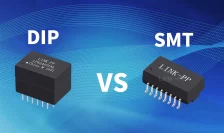
Compare DIP and SMT LAN transformers. Learn how package, mounting, performance, and reliability vary for use in Ethernet, PoE, and industrial applications.
SFP-10G-ER is a 10G SFP+ transceiver for up to 40km over single-mode fiber, featuring 1550nm wavelength, LC connector, and real-time monitoring.
SNR, or signal-to-noise ratio, measures signal strength versus noise. High SNR means clearer audio, images, and data for better overall signal quality.
SFP transceivers provide flexible network connections. Understand types, compatibility, and selection tips every network engineer should know.
Discover the benefits of DIP LAN transformers in Ethernet systems, featuring high EMI immunity, durability, and reliable through-hole design.
1000BASE-LX SFP supports up to 10km over single-mode fiber, while 1000BASE-SX is ideal for short-range links. Compare specs, fiber types, and use cases.
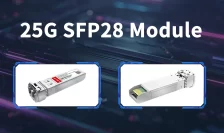
SFP28 is a 25G transceiver module for fast, efficient data transfer in modern networks, offering high speed, compatibility, and energy savings.
498
Learn how VCSEL, FP, DFB, and EML lasers differ in optical modules. Explore their key traits, common uses, and how LINK‑PP incorporates them in transceivers.
Cloud Computing offers flexible, pay-as-you-go resources, while high performance computing delivers maximum speed for demanding tasks.
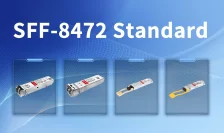
SFF-8472 standard Explained, the industry specification for DDM in SFP optical transceivers. Discover how it enhances network reliability and maintenance.
Cloud computing provides online access to servers, storage, and apps, letting users save files, run software, and work from anywhere securely.
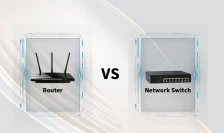
A router connects your network to the internet, while a switch links devices within your LAN. Compare router vs switch for your 2025 network needs.
Explore the differences between LAN, MAN, and WAN networks, their technologies, typical applications, and why LINK‑PP components are ideal for each deployment.
Explore what a Wide Area Network (WAN) is, how it differs from LAN, and why WAN is vital in today’s enterprise connectivity.
Discover what a Metropolitan Area Network (MAN) is, how it bridges LAN and WAN, and its core technologies and applications. | LINK‑PP Comprehensive Guide.
Compare 8, 12, 16, and 24 fiber MPO Connectors to understand differences in fiber count, compatibility, and how each type fits your network’s needs.
Learn what signal distortion means in network hardware. Understand types, causes, effects, and discover how LINK-PP’s RJ45, LAN transformer, and optical modules control distortion for reliable data centers.
216
Power Over Ethernet (PoE) combines power and data delivery via a single cable, simplifying installations for devices like IP cameras, VoIP phones, and IoT systems.
PCBA stands for Printed Circuit Board Assembly. It's essentially a bare PCB that has had all the necessary electronic components soldered onto it.
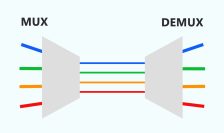
Wavelength Division Multiplexing (WDM) uses optical transceiver modules to send multiple data streams through a single fiber, boosting bandwidth and efficiency.
The TOSA is a critical component in optical transceivers, converting electrical signals into optical signals for high-speed fiber optic communication.
The Receiver Optical Sub-Assembly (ROSA) is a critical optoelectronic component in Optical Tranceivers, responsible for converting incoming optical signals into
DDM/DOM in optical transceivers provides real-time monitoring of key parameters like temperature and power, ensuring network reliability and early issue detection.
108
Discover the LQ‑SW40‑SR4C 40GBASE‑SR module: high-speed, low-power, QSFP+ optics for multimode fibre networks. Perfect for data centres and network upgrades.
Learn what hyperconverged infrastructure HCI is, how it compares with virtualization and dHCI, and when Nutanix, Sangfor, or SFP-based designs fit best.
What an FC SFP module is, how it differs from Ethernet SFPs, which speeds and fiber types it supports, and how to choose the right one.
Learn the real difference between 1000base-lh and 1000base-lx, including wavelength, fiber compatibility, Cisco naming, and when to use each.
Learn what a Gigabit SFP transceiver is, compare 1000BASE-SX, LX, and T options, and solve common compatibility and setup issues with confidence.
Learn what a 10/100/1000BASE-T SFP is, how RJ45 copper SFP modules work, compatibility issues, heat concerns, and best use cases in networks.
Compare CFP4 vs. QSFP28 by size, power, density, and deployment fit. Learn which 100G module is better for data centers, telecom, and upgrades.
Explore the Netgear AGM731F datasheet with specs, LC connector, OM1/OM3/OM4 distances, compatibility, power use, and operating limits.
Learn what 40GBASE-ER4 is, how far it reaches over duplex single-mode fiber, what it supports, and how to choose the right QSFP+ optic.
Understand SFP+ 40km (10GBASE-ER) modules, including specs, SMF compatibility, and how to choose the right extended-reach optical transceiver for your network.
Subscribe to LINK-PP
newsletter
Don’t miss anything. Get all the latest posts delivered straight to your inbox.

Video
01:11
Global Delivery Service | LINK-PP
Jun 26, 2024
- 1.2k
- 888