Welcome to the LINK-PP Community

More Posts

Optical modules enable high-speed, low-latency data transfer in edge computing, supporting 5G, IoT, and real-time applications with reliable connectivity.
Optical modules deliver high bandwidth, low latency, and scalable connectivity for high-performance computing, enabling efficient data center operations.
Learn the roles of Ethernet MAC and PHY in networking. Understand how LINK-PP’s optical modules and magnetic RJ45 connectors support Ethernet interfaces.
Solve RJ45 Magjack issues with clear steps for diagnosing, repairing, and preventing Ethernet connection problems in your network setup.
The LPJG0926HENL RJ45 connector with integrated magnetics offers PoE+ support, space efficiency, and compliance for high-performance Ethernet applications.
FEC (Forward Error Correction) in optical communication adds redundancy to detect and correct errors, ensuring reliable, high-speed data transmission.
SFP-1G-SX vs SFP-1G-LX: Compare multimode and single-mode SFPs to choose the right module for your network's distance, fiber type, and budget.
The SFP-1G-LX transceiver enables 1Gbps Ethernet over single-mode fiber up to 10km, offering reliable, hot-swappable connectivity for enterprise networks.
SFP-1G-SX is a 1G SFP transceiver for short-range gigabit Ethernet over multimode fiber, vital for reliable, scalable networks
Single-Port RJ45 Connector Overview, including structure, applications, and benefits for industrial, networking, and embedded Ethernet solutions.
Learn how to choose the right SFP module based on compatibility, speed, fiber type, wavelength, and distance. Practical guide for engineers and IT buyers.
A complete guide to SFP in networking, covering function, working principle, module types, deployment scenarios, compatibility, and technical standards for modern fiber networks.
Discover what SFP stands for in networking, its full meaning, technical standards, uses, and differences from SFP+ and GBIC in this expert guide.
Comprehensive BiDi SFP guide: learn single-fiber bidirectional transceivers, wavelength pairing, link-budget calculation, compatibility, and deployment best practices.
Authoritative SFP wavelength guide: compare 850nm, 1310nm, 1550nm applications, link-budget implications, multimode vs single-mode selection, interoperability, and checklist.
Comprehensive SFP compatibility guide covering data rate matching, wavelength selection, power budget calculation, EEPROM coding, firmware validation, and vendor locking.
What Is QSFP-DD? QSFP-DD enables high-speed Ethernet with double density, backward compatibility, and up to 800G bandwidth for modern data centers.
Understanding polarity in MTP/MPO systems ensures correct signal flow, prevents data errors, and maintains reliable network performance.
Advanced Cloud Solutions boost data center scalability, security, and cost efficiency for flexible, reliable, and future-ready operations.
Understand the key differences between XLPPI and XLAUI electrical interfaces, how they work in 40G/100G Ethernet systems, and which interface modern QSFP modules use.
A Surface-Mount Device (SMD) is a compact electronic component mounted directly on a PCB, enabling smaller, faster, and more efficient modern electronics.
What is SWDM? SWDM is a fiber technology using four short wavelengths to boost data rates and efficiency in multimode fiber networks.
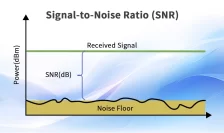
SNR, or signal-to-noise ratio, measures signal strength versus noise. High SNR means clearer audio, images, and data for better overall signal quality.
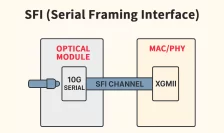
Learn how the Serial Framing Interface (SFI) enables high-speed data transmission in 10G SFP+ and 40G QSFP+ optical modules. Explore SFI channels, XGMII conversion, and module interoperability for reliable networking.
A Storage Area Network connects servers to shared storage, offering fast, reliable, and centralized data access for businesses with large data needs.
Space Division Multiplexing increases fiber network capacity by sending multiple data streams through separate paths in a single cable.
Discover what an SSD (Solid-State Drive) is, how it works, its advantages over HDDs, and its role in modern computing and enterprise storage.
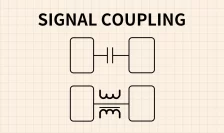
Discover what signal coupling is, how capacitive and transformer coupling work, and why they are vital in electronics, networking, and PCB design.
What Frame Check Sequence (FCS) means, how CRC-32 detects corrupted Ethernet frames, and why FCS errors are commonly associated with cable faults, fiber issues, or optical transceiver problems.
Understand what CRC is, how cyclic redundancy check errors happen, how to fix them, and why CRC matters in networking, storage, and SFP modules.
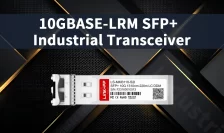
10GBASE-LRM Industrial Transceiver Supports 10.3Gbps, 220m MMF reach, industrial temperature (-40~85°C), and full compatibility with Cisco, Arista, Dell, H3C.
Discover the LQ‑SW40‑SR4C 40GBASE‑SR module: high-speed, low-power, QSFP+ optics for multimode fibre networks. Perfect for data centres and network upgrades.
Learn what hyperconverged infrastructure HCI is, how it compares with virtualization and dHCI, and when Nutanix, Sangfor, or SFP-based designs fit best.
A complete technical guide to SFP-10GLR-31 transceivers covering 10GBASE-LR specifications, wavelength, fiber compatibility, switch support, and real deployment scenarios.

Industrial RJ45 Magjack LPJ4014CNL offers robust EMI shielding, gold contacts, and certifications, ensuring reliable IoT device connectivity in any environment.
What an FC SFP module is, how it differs from Ethernet SFPs, which speeds and fiber types it supports, and how to choose the right one.
Learn the real difference between 1000base-lh and 1000base-lx, including wavelength, fiber compatibility, Cisco naming, and when to use each.
Learn what a Gigabit SFP transceiver is, compare 1000BASE-SX, LX, and T options, and solve common compatibility and setup issues with confidence.
Learn what a 10/100/1000BASE-T SFP is, how RJ45 copper SFP modules work, compatibility issues, heat concerns, and best use cases in networks.

Compare CFP4 vs. QSFP28 by size, power, density, and deployment fit. Learn which 100G module is better for data centers, telecom, and upgrades.