SMT, or Surface Mount Technology, is a method for mounting electronic components directly onto PCB surfaces, enabling compact designs and efficient manufacturing.
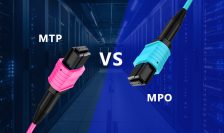
Compare MTP and MPO connectors to find the best fit for your network. Learn how MTP connectors offer superior performance, scalability, and reliability.
CAT5e vs CAT6 vs CAT7: Compare Ethernet cables to find the best fit for your network. Learn about speed, shielding, and cost to make an informed choice.
Fiber patch cords are essential for connecting devices in networks, ensuring fast, reliable data transfer in telecom, data centers, and industrial applications.
Understand 100G optical transceiver form factors like QSFP28, CFP, CFP2, CFP4 and CXP. Learn how they optimize network performance and ensure compatibility.
Dual rate transceivers operate at two distinct data rates, offering flexibility, cost-effectiveness, and seamless compatibility for modern network upgrades.
LINK-PP 100G transceivers deliver high-speed connectivity, energy efficiency, and seamless integration, making them ideal for modern networks and data centers.
Learn how to choose the best LINK-PP 10G optical transceivers for your network by evaluating compatibility, performance, cost, and scalability effectively.
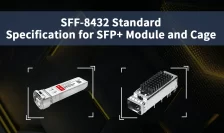
Learn about the SFF-8432 specification, the mechanical standard for SFP+ modules and cages. Discover its role in EMI performance, durability, and interoperability.
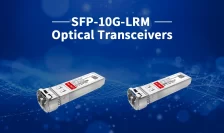
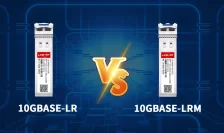
What the SFP-10G-LRM is, how it works, and its benefits. Learn why LINK-PP’s 10GBASE-LRM modules are ideal for upgrading older fiber networks with 220m reach ov
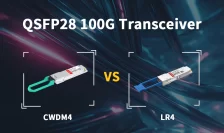
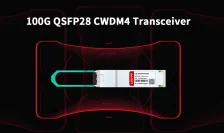
QSFP28 100G CWDM4 transceiver is the industry-standard solution for cost-effective, high-performance 100 Gigabit Ethernet connections over distances up to 2km
Power Over Ethernet (PoE) combines power and data delivery via a single cable, simplifying installations for devices like IP cameras, VoIP phones, and IoT systems.
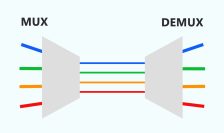
Wavelength Division Multiplexing (WDM) uses optical transceiver modules to send multiple data streams through a single fiber, boosting bandwidth and efficiency.
The Receiver Optical Sub-Assembly (ROSA) is a critical optoelectronic component in Optical Tranceivers, responsible for converting incoming optical signals into
DDM/DOM in optical transceivers provides real-time monitoring of key parameters like temperature and power, ensuring network reliability and early issue detection.
Discover the LQ‑SW40‑SR4C 40GBASE‑SR module: high-speed, low-power, QSFP+ optics for multimode fibre networks. Perfect for data centres and network upgrades.
Learn what hyperconverged infrastructure HCI is, how it compares with virtualization and dHCI, and when Nutanix, Sangfor, or SFP-based designs fit best.
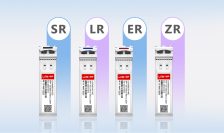
Understand SFP+ 40km (10GBASE-ER) modules, including specs, SMF compatibility, and how to choose the right extended-reach optical transceiver for your network.
Subscribe to LINK-PP
newsletter
Don’t miss anything. Get all the latest posts delivered straight to your inbox.