SFP+ transceiver modules enable high-speed data transfer, seamless communication, and flexible connectivity in data centers, supporting efficient networks.
100G SFP-DD transceivers boost high-density networks with fast 100Gbps speeds, compact design, energy efficiency, and long-distance data transmission up to 40km.
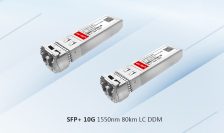
SFP+ 10G transceivers deliver high-speed data transfer, low latency, energy efficiency, and compatibility with various devices for modern network setups.
An optical module converts electrical signals to light for fast, reliable data transfer in networks, essential for cloud computing, telecom, and data centers.
LINK-PP is expanding with new production lines, strategic partnerships, and innovative RJ45 connectors, driving advancements in global connectivity solutions.
Understand the key parameters of optical modules, including transmission rate, distance, wavelength, and fiber compatibility, for better network performance.
Industrial Grade 100G optical transceivers ensure high-speed, reliable data transmission in harsh environments, making them vital for modern network infrastructure.
AON vs PON: Compare active and passive optical networks. Learn how AON offers high bandwidth and long-distance coverage, while PON is cost-effective for FTTH.
Discover the types, features, and benefits of PON modules, including OLT, ONU, and ONT devices, transmission protocols, and scalability for fiber networks.
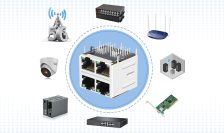
RJ45 connectors are essential for Ethernet networking, enabling stable data transfer in LANs, connecting devices like routers, switches, and supporting high-speed communication.
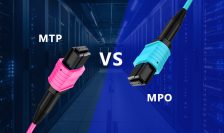
Compare MTP and MPO connectors to find the best fit for your network. Learn how MTP connectors offer superior performance, scalability, and reliability.
Power Over Ethernet (PoE) combines power and data delivery via a single cable, simplifying installations for devices like IP cameras, VoIP phones, and IoT systems.
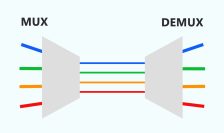
Wavelength Division Multiplexing (WDM) uses optical transceiver modules to send multiple data streams through a single fiber, boosting bandwidth and efficiency.
The Receiver Optical Sub-Assembly (ROSA) is a critical optoelectronic component in Optical Tranceivers, responsible for converting incoming optical signals into
DDM/DOM in optical transceivers provides real-time monitoring of key parameters like temperature and power, ensuring network reliability and early issue detection.
Discover the LQ‑SW40‑SR4C 40GBASE‑SR module: high-speed, low-power, QSFP+ optics for multimode fibre networks. Perfect for data centres and network upgrades.
Learn what hyperconverged infrastructure HCI is, how it compares with virtualization and dHCI, and when Nutanix, Sangfor, or SFP-based designs fit best.
Understand SFP+ 40km (10GBASE-ER) modules, including specs, SMF compatibility, and how to choose the right extended-reach optical transceiver for your network.
Subscribe to LINK-PP
newsletter
Don’t miss anything. Get all the latest posts delivered straight to your inbox.