SFP+ transceiver modules enable high-speed data transfer, seamless communication, and flexible connectivity in data centers, supporting efficient networks.
100G SFP-DD transceivers boost high-density networks with fast 100Gbps speeds, compact design, energy efficiency, and long-distance data transmission up to 40km.
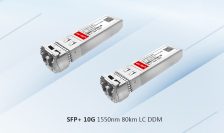
SFP+ 10G transceivers deliver high-speed data transfer, low latency, energy efficiency, and compatibility with various devices for modern network setups.
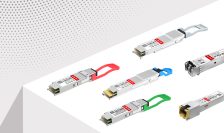
An optical module converts electrical signals to light for fast, reliable data transfer in networks, essential for cloud computing, telecom, and data centers.
LINK-PP is expanding with new production lines, strategic partnerships, and innovative RJ45 connectors, driving advancements in global connectivity solutions.
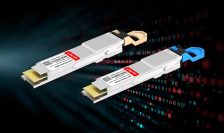
QSFP-DD Optical Transceivers deliver up to 800Gbps speeds, offering high bandwidth, energy efficiency, and compatibility for modern networks and data centers.
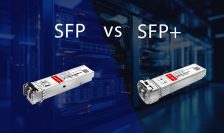
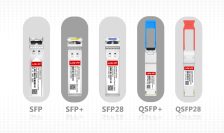
Compare SFP, SFP+, SFP28, QSFP+, and QSFP28 optical transceivers. Learn how form factors affect speed, compatibility, and performance in modern networks.
About LINK-PP: A global leader in magnetic components, offering high-quality RJ45 Connectors, LAN Transformers, and Optical Transceivers for reliable networks.
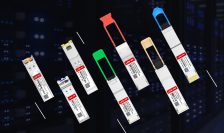
This article provides a professional guide on transceiver pull tab color codes by wavelength—spanning SFP, SFP+, CWDM, and BiDi modules—and introduces how LINK-
Optical transceivers convert electrical signals into light, transmitting data through fiber optic cables with high speed, reliability, and minimal loss.
Learn how LDP (Label Distribution Protocol) establishes Label Switched Paths in MPLS networks. Understand LDP functions, working principles, and relation to LINK-PP products.
Central Management Server streamlines server management, enabling secure, centralized control, updates, and monitoring for multiple systems in one place.
Dispersion compensation in optical systems corrects chromatic dispersion, ensuring clear, accurate signals in fiber optic communication and imaging applications.
Learn how multipoint-to-multipoint (MP2MP) networks work, their advantages, and applications in optical communications. Discover LINK-PP optical modules supporting MP2MP systems.
In-band Network Telemetry embeds real-time monitoring data in each packet, enabling instant network insights, troubleshooting, and performance analysis.
Remote network monitoring enables real-time network management, security, and troubleshooting from any location, supporting both remote teams and multiple site.
Learn what Multipoint-to-Point (MP2P) architecture is, how it works, and how LINK-PP optical transceivers enhance data efficiency in modern fiber networks.
Explore the fundamentals of Point-to-Point (P2P) network architecture, its working principles, and how LINK-PP RJ45 connectors and optical transceivers enable reliable high-speed communication.
Discover the LQ‑SW40‑SR4C 40GBASE‑SR module: high-speed, low-power, QSFP+ optics for multimode fibre networks. Perfect for data centres and network upgrades.
Learn what hyperconverged infrastructure HCI is, how it compares with virtualization and dHCI, and when Nutanix, Sangfor, or SFP-based designs fit best.
Understand SFP+ 40km (10GBASE-ER) modules, including specs, SMF compatibility, and how to choose the right extended-reach optical transceiver for your network.