A technical guide to SFP+ 100km optics, explaining 10GBASE-ZR modules, optical link budgets, DWDM solutions, and real-world deployment tips for long-distance fiber networks.
A complete technical guide to SFP-10GLR-31 transceivers covering 10GBASE-LR specifications, wavelength, fiber compatibility, switch support, and real deployment scenarios.
Learn how to remove an SFP module from a switch safely and correctly. Step-by-step guide covering hot swap, latch types, stuck modules, and ESD protection.
Learn how to choose the right SFP module based on compatibility, speed, fiber type, wavelength, and distance. Practical guide for engineers and IT buyers.
A complete guide to SFP in networking, covering function, working principle, module types, deployment scenarios, compatibility, and technical standards for modern fiber networks.
Explain what a 100km SFP transceiver is, how ER and ZR differ, required wavelength, optical budget calculation, and whether amplification is needed for long-haul fiber links.
Complete guide to long distance transceivers covering 10km to 120km optics, 1310nm vs 1550nm, ER/ZR modules, link budget calculation, and deployment best practices.
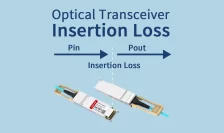
Learn what optical transceiver insertion loss is, how it affects link budgets, BER, and FEC. Includes LC/MPO numbers, control tips, and LINK-PP insights.
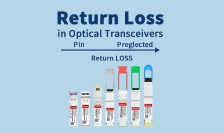
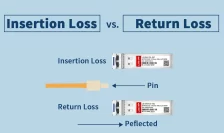
Learn the difference between insertion loss and return loss in optical transceivers, their impact on performance, measurement methods, and LINK-PP product guidance.
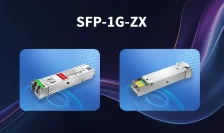
Compare sfp-1g-zx vs sfp-1g-ezx for long-distance fiber. Find out which SFP suits your network’s range, from 80 km to 120 km, and ensure reliable gigabit links.
Discover what CMIS is and why it’s vital for managing modern optical modules (QSFP-DD, OSFP, etc.). Learn how LINK-PP’s future-ready modules comply with CMIS .
Power Over Ethernet (PoE) combines power and data delivery via a single cable, simplifying installations for devices like IP cameras, VoIP phones, and IoT systems.
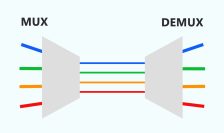
Wavelength Division Multiplexing (WDM) uses optical transceiver modules to send multiple data streams through a single fiber, boosting bandwidth and efficiency.
The Receiver Optical Sub-Assembly (ROSA) is a critical optoelectronic component in Optical Tranceivers, responsible for converting incoming optical signals into
DDM/DOM in optical transceivers provides real-time monitoring of key parameters like temperature and power, ensuring network reliability and early issue detection.
Discover the LQ‑SW40‑SR4C 40GBASE‑SR module: high-speed, low-power, QSFP+ optics for multimode fibre networks. Perfect for data centres and network upgrades.
Learn what hyperconverged infrastructure HCI is, how it compares with virtualization and dHCI, and when Nutanix, Sangfor, or SFP-based designs fit best.
Understand SFP+ 40km (10GBASE-ER) modules, including specs, SMF compatibility, and how to choose the right extended-reach optical transceiver for your network.