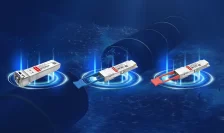
Discover the LQ‑SW40‑SR4C 40GBASE‑SR module: high-speed, low-power, QSFP+ optics for multimode fibre networks. Perfect for data centres and network upgrades.
Applications of LAN transformers include protecting network devices, ensuring signal integrity, and supporting reliable data in Ethernet, PoE, and industrial systems.
A Digital Signal Processor in optical transceivers enables fast data rates, advanced modulation, and real-time signal correction for reliable high-speed links.
An active optical cable uses built-in transceivers to convert electrical signals to light, enabling high-speed, long-distance data transmission with minimal loss.
Clock and Data Recovery synchronizes timing and data in high-speed communication, ensuring accurate, error-free data transfer without a separate clock signal.
Discover the LINK-PP LQ-M85100-SR4C QSFP28 100G SR4 transceiver—ideal for short-reach 100G Ethernet over MMF. Compatible with Cisco, Arista, FS, Dell, and more.
Learn the differences between integrated and separate RJ45 connectors from LINK-PP. Discover how to choose the right solution for your Ethernet applications.
CPO vs LPO: Compare key differences, benefits, power savings, and best use cases for data centers to choose the right optical technology for your needs.
Optical transceivers enable high-speed, reliable data transfer in submarine cables, powering global connectivity and meeting growing bandwidth demands underwater.
LPO transceivers cut power use, lower latency, and boost reliability in data centers, making them ideal for high-speed, energy-efficient optical links.
Discover how a 1550 nm optical transceiver converts electrical signals into light for long-distance fiber links. Learn its benefits, tech specs, and LINK-PP models.
1310nm optical module offers reliable, cost-effective data transmission for metro, campus, and enterprise networks. Compare performance, reach, and use cases.
Explore the most common MSA protocols used in optical transceivers. Learn about SFP, SFP+, QSFP, CFP, and more—plus how LINK-PP's compatible modules deliver reliable performance.
Discover how 1310 nm optical modules serve essential roles in data centers, metro networks, and enterprise links. Learn use cases and explore LINK-PP’s reliable modules.
Explore the difference between DDMI (interface) and DDM (diagnostics) in optical transceivers. Learn how each supports real-time monitoring and how LINK-PP products leverage them.
Troubleshoot optical transceivers efficiently with Digital Diagnostic Monitoring. Monitor real-time data to detect faults early and maintain network reliability.
QSFP28-100G-ZR4 transceiver enables 100G data transmission up to 80km using single-mode fiber, ideal for long-distance, high-speed network connections.
A fiber optic cable uses thin glass or plastic fibers to transmit data as light pulses, enabling fast, clear, and reliable communication over long distances.
Long-haul transmission uses fiber optic cables to send data quickly and securely over long distances, connecting cities and countries for fast communication.
Learn what an Intrusion Prevention System (IPS) is, how it works, key types, and deployment best practices. Enhance your IPS network with LINK-PP Ethernet components.
FBT splitter offers a cost-effective way to split optical signals in fiber networks, ideal for small setups needing simple, customizable signal distribution.
Learn how LLDP (Link Layer Discovery Protocol) enhances PoE systems through intelligent power negotiation, efficient energy management, and device discovery in modern Ethernet networks.
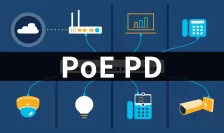
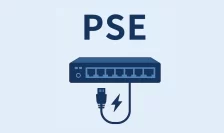
Learn what a Powered Device (PD) is in PoE networks, how it receives power from a PSE, and explore LINK-PP’s PoE-ready components like LPJK6072AONL and LP41223NL.
Discover the LQ‑SW40‑SR4C 40GBASE‑SR module: high-speed, low-power, QSFP+ optics for multimode fibre networks. Perfect for data centres and network upgrades.
Learn what hyperconverged infrastructure HCI is, how it compares with virtualization and dHCI, and when Nutanix, Sangfor, or SFP-based designs fit best.
Understand SFP+ 40km (10GBASE-ER) modules, including specs, SMF compatibility, and how to choose the right extended-reach optical transceiver for your network.
Subscribe to LINK-PP
newsletter
Don’t miss anything. Get all the latest posts delivered straight to your inbox.