Discover the LQ‑SW40‑SR4C 40GBASE‑SR module: high-speed, low-power, QSFP+ optics for multimode fibre networks. Perfect for data centres and network upgrades.
Explore the fundamentals of Graphics Processing Units (GPUs), their specifications, and applications in gaming, AI, and high-performance computing. Learn how to choose the right GPU for your needs.
Discover what Integrated Circuits (ICs) are, how they work, and their role in electronics. Learn about IC types, applications, and how LINK-PP networking products complement ICs.
Discover how optical transceivers power broadband networks by enabling high-speed fiber data, low latency, and scalable infrastructure with LINK-PP solutions.
Broadband is the internet service itself, while WiFi is the wireless technology that distributes it. Learn their differences and how LINK-PP’s optical transceivers enhance broadband performance.
Frequency Division Multiple Access assigns each user a unique frequency band, enabling clear, simultaneous communication in phones, radios, and satellites.
Optical Distribution Network ensures fast, reliable FTTH by linking providers to homes with scalable, passive fiber, supporting high-speed broadband delivery.
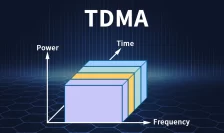
Time Division Multiple Access allows multiple users to share one channel by assigning time slots, ensuring clear calls and efficient data in modern networks.
Discover what a MoR switch (Middle-of-Rack switch) is, how MoR compares to ToR/EoR, and which SFP+/SFP28/QSFP modules work best — a practical guide for datacenter design.
Learn what a ToR (Top-of-Rack) switch is, how ToR architecture works, and why it’s the preferred networking model in modern data centers. Includes benefits, use cases, and compatible optical transceiver solutions from LINK-PP.
Discover what a backplane is, how backplane channels support high-speed 40G/100G Ethernet, key standards, and design challenges. Learn how LINK-PP RJ45 connectors enhance backplane performance.
Learn the IEEE 802.3bj 100G Ethernet standard for backplane and copper cable interconnects. Explore PAM4, FEC, KP4/KR4/CR4 PHYs, and how LINK-PP modules support high-speed networks.
Discover the role of Gearbox in modern optical transceivers. Learn how it enables channel alignment, rate conversion, and breakout for 50G, 100G, and 200G networks.
Learn what IEEE 802.3cd defines for 50G, 100G and 200G Ethernet. Explore PAM4 technology, key PMDs, deployment use cases and suitable LINK-PP optical transceivers.
Discover what Integrated Circuits (ICs) are, how they work, and their role in electronics. Learn about IC types, applications, and how LINK-PP networking products complement ICs.
Explore the fundamentals of Graphics Processing Units (GPUs), their specifications, and applications in gaming, AI, and high-performance computing. Learn how to choose the right GPU for your needs.
Optical Distribution Network ensures fast, reliable FTTH by linking providers to homes with scalable, passive fiber, supporting high-speed broadband delivery.
Time Division Multiple Access allows multiple users to share one channel by assigning time slots, ensuring clear calls and efficient data in modern networks.
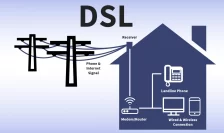
Learn what DSL (Digital Subscriber Line) is, how it works, and the difference between ADSL, VDSL, and other types. Discover advantages, limitations, and the future of DSL technology in broadband access.
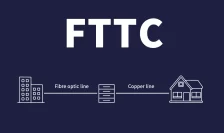
Learn what FTTC (Fiber to the Curb) is, how it works, its pros and cons, and how it compares with FTTH and DSL. Discover applications, equipment needs, and future trends in broadband access.
Discover what FWA is, how it delivers broadband using 4G/5G wireless networks, and why it matters for connectivity. Learn its benefits, challenges, and how LINK-PP SFP modules support reliable FWA deployments.
Discover the LQ‑SW40‑SR4C 40GBASE‑SR module: high-speed, low-power, QSFP+ optics for multimode fibre networks. Perfect for data centres and network upgrades.
Learn what hyperconverged infrastructure HCI is, how it compares with virtualization and dHCI, and when Nutanix, Sangfor, or SFP-based designs fit best.
Understand SFP+ 40km (10GBASE-ER) modules, including specs, SMF compatibility, and how to choose the right extended-reach optical transceiver for your network.
Subscribe to LINK-PP
newsletter
Don’t miss anything. Get all the latest posts delivered straight to your inbox.