Discover the LQ‑SW40‑SR4C 40GBASE‑SR module: high-speed, low-power, QSFP+ optics for multimode fibre networks. Perfect for data centres and network upgrades.
Virtual Routing and Forwarding (VRF) enables multiple private routing tables on one device, improving network security, segmentation, and traffic management.
Explore the LINK-PP LS-SM3125-10I industrial-grade SFP28 transceiver, delivering 25 Gb/s over 10 km single-mode fibre at 1310 nm, with DOM and wide-temperature support for backbone and 5G front-haul.
Discover how optical transceivers power Smart Industry 4.0 networks—enabling high-speed, low-latency, reliable connectivity in modern factories with 1G, 10G and 25G modules certified for industrial use.
User Datagram Protocol enables fast, connectionless data transfer for real-time apps like streaming, gaming, and DNS, prioritizing speed over reliability.
SSL encrypts data between your browser and websites, ensuring privacy and security. SSL certificates verify site identity and protect sensitive information.
Technical hurdles of 1.6T optical transceivers include signal integrity, power, and cooling, driving a connector revolution for reliable high-speed networks.
OSI vs TCP/IP: OSI is ideal for learning network concepts, while TCP/IP is used for real-world networking. Compare their layers, uses, and main differences.
Learn how optical pulses transmit high-speed data in fiber networks. Explore principles, applications, and why LINK-PP optical transceivers deliver cleaner, more reliable pulses.
Data center virtualization uses software to create virtual servers, storage, and networks, improving efficiency, reducing costs, and boosting flexibility.
Unlock high-speed industrial automation with EtherCAT. Learn how EtherCAT achieves sub-microsecond synchronization, its principles, and why it is critical for modern motion control and smart factories.
A fiber optic coupler splits or combines light signals in optical networks, improving data flow, reliability, and network flexibility for various applications.
Discover what Integrated Circuits (ICs) are, how they work, and their role in electronics. Learn about IC types, applications, and how LINK-PP networking products complement ICs.
Explore the fundamentals of Graphics Processing Units (GPUs), their specifications, and applications in gaming, AI, and high-performance computing. Learn how to choose the right GPU for your needs.
Optical Distribution Network ensures fast, reliable FTTH by linking providers to homes with scalable, passive fiber, supporting high-speed broadband delivery.
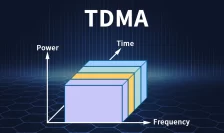
Time Division Multiple Access allows multiple users to share one channel by assigning time slots, ensuring clear calls and efficient data in modern networks.
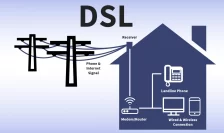
Learn what DSL (Digital Subscriber Line) is, how it works, and the difference between ADSL, VDSL, and other types. Discover advantages, limitations, and the future of DSL technology in broadband access.
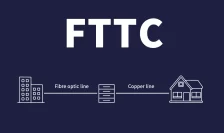
Learn what FTTC (Fiber to the Curb) is, how it works, its pros and cons, and how it compares with FTTH and DSL. Discover applications, equipment needs, and future trends in broadband access.
Discover what FWA is, how it delivers broadband using 4G/5G wireless networks, and why it matters for connectivity. Learn its benefits, challenges, and how LINK-PP SFP modules support reliable FWA deployments.
Discover the LQ‑SW40‑SR4C 40GBASE‑SR module: high-speed, low-power, QSFP+ optics for multimode fibre networks. Perfect for data centres and network upgrades.
Learn what hyperconverged infrastructure HCI is, how it compares with virtualization and dHCI, and when Nutanix, Sangfor, or SFP-based designs fit best.
Understand SFP+ 40km (10GBASE-ER) modules, including specs, SMF compatibility, and how to choose the right extended-reach optical transceiver for your network.
Subscribe to LINK-PP
newsletter
Don’t miss anything. Get all the latest posts delivered straight to your inbox.