Discover the LQ‑SW40‑SR4C 40GBASE‑SR module: high-speed, low-power, QSFP+ optics for multimode fibre networks. Perfect for data centres and network upgrades.
Explore the difference between DDMI (interface) and DDM (diagnostics) in optical transceivers. Learn how each supports real-time monitoring and how LINK-PP products leverage them.
Discover how 1310 nm optical modules serve essential roles in data centers, metro networks, and enterprise links. Learn use cases and explore LINK-PP’s reliable modules.
Explore the most common MSA protocols used in optical transceivers. Learn about SFP, SFP+, QSFP, CFP, and more—plus how LINK-PP's compatible modules deliver reliable performance.
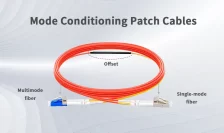
Mode conditioning patch cables enable singlemode devices to work with multimode fiber, reducing signal distortion and differential mode delay in networks.
Optical modules enable high-speed, low-latency links across 5G fronthaul, midhaul, and backhaul. Learn how transceiver types, standards, and deployment needs shape modern telecom networks.
Clear, practical guide to SFF-8431 — the SFP+ 10G electrical interface standard. Learn the key requirements, design considerations, and how LINK-PP 10G SFP modules comply.
Explore how RJ45 Magjack connectivity solutions from LINK-PP enhance telecom infrastructure—improving reliability, PoE support and integration for next-gen networks.
Explore what a telecom network is, how it works, and its role in 5G. Learn opportunities, challenges, and how LINK‑PP solutions support next-gen networks.
Learn what the SFP28 MSA (Small Form-factor Pluggable 28 Multi-Source Agreement) defines, why it matters for 25G Ethernet, and how it ensures module interoperability.
Machine Learning (ML) enables computers to learn from data, identify patterns, and make predictions, powering tools like voice assistants and recommendations.
Discover how optical transceivers power Smart Industry 4.0 networks—enabling high-speed, low-latency, reliable connectivity in modern factories with 1G, 10G and 25G modules certified for industrial use.
OSI vs TCP/IP: OSI is ideal for learning network concepts, while TCP/IP is used for real-world networking. Compare their layers, uses, and main differences.
Discover how DDMI—the Digital Diagnostic Monitoring Interface—gives real-time insights into optical transceivers. Learn its key metrics, benefits, and how LINK-PP modules support it.
OTN is a digital transport standard defined by ITU-T for high-capacity optical transmission. Learn how LINK-PP optical transceivers enable OTN-based connectivity.
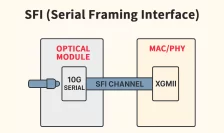
Learn how the Serial Framing Interface (SFI) enables high-speed data transmission in 10G SFP+ and 40G QSFP+ optical modules. Explore SFI channels, XGMII conversion, and module interoperability for reliable networking.
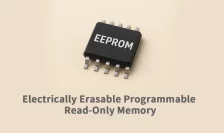
Discover how EEPROM ensures reliable configuration, superior compatibility, and lifetime flexibility in networking hardware: from RJ45 to optical modules.
Discover what IEEE means for network hardware, key standards like IEEE 802.3, and how LINK-PP delivers certified, reliable Ethernet solutions for B2B procurement.
An application-specific integrated circuit, or ASIC, is a microchip made for a special job. Let's dive into the world of ASIC! Discover what exactly is an ASIC.
Discover the LQ‑SW40‑SR4C 40GBASE‑SR module: high-speed, low-power, QSFP+ optics for multimode fibre networks. Perfect for data centres and network upgrades.
Learn what hyperconverged infrastructure HCI is, how it compares with virtualization and dHCI, and when Nutanix, Sangfor, or SFP-based designs fit best.
Understand SFP+ 40km (10GBASE-ER) modules, including specs, SMF compatibility, and how to choose the right extended-reach optical transceiver for your network.