Discover the LQ‑SW40‑SR4C 40GBASE‑SR module: high-speed, low-power, QSFP+ optics for multimode fibre networks. Perfect for data centres and network upgrades.
100M Optical Module enables fast, reliable connections for offices, factories, security, and telecom networks, supporting efficient short-distance data transfer.
Discover how optical modules power backbone networks: high-speed data, reliability, LINK-PP advantages, and procurement tips for data centers and carriers.
OTU4 is a high-speed digital layer in optical transport networks, enabling reliable 100GE data transmission with strong error correction and scalability.
An ISP is the company that delivers internet access to individuals and businesses. Discover how ISPs enable connectivity and how LINK-PP's Magnetics support their infrastructure.
1310nm optical module offers reliable, cost-effective data transmission for metro, campus, and enterprise networks. Compare performance, reach, and use cases.
Discover how a 1550 nm optical transceiver converts electrical signals into light for long-distance fiber links. Learn its benefits, tech specs, and LINK-PP models.
Explore how LINK-PP optical modules enhance MPLS networks, supporting high-speed, reliable data transmission for carrier backbones, DCI, and enterprise VPNs.
CAT5e vs CAT6 vs CAT7: Compare Ethernet cables to find the best fit for your network. Learn about speed, shielding, and cost to make an informed choice.
Fiber patch cords are essential for connecting devices in networks, ensuring fast, reliable data transfer in telecom, data centers, and industrial applications.
Understand 100G optical transceiver form factors like QSFP28, CFP, CFP2, CFP4 and CXP. Learn how they optimize network performance and ensure compatibility.
Dual rate transceivers operate at two distinct data rates, offering flexibility, cost-effectiveness, and seamless compatibility for modern network upgrades.
Understand the role of 1x9 transceivers in fiber optic networks, their cost-effectiveness, compatibility with legacy systems, and reliable data transmission.
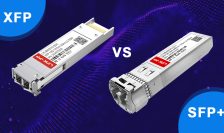
Compare XFP and SFP+ transceivers: XFP offers long-distance, high-speed performance, while SFP+ is compact, energy-efficient, and ideal for short-range tasks.
An RJ45 with magnetics integrates transformers and chokes to enhance signal quality, suppress EMI, and simplify designs. Ideal for Magnetic RJ45 Jack use.
Quality certifications like ISO 9001:2015, RoHS, and FCC ensure optical transceivers meet strict standards for reliability, compliance, and performance.
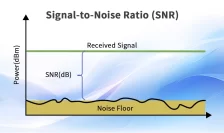
SNR, or signal-to-noise ratio, measures signal strength versus noise. High SNR means clearer audio, images, and data for better overall signal quality.
Learn what an Ethernet PHY is, how it connects MAC to network medium, core functions, signal types, and how it pairs with LINK‑PP Magnetics for Ethernet design.
Turns ratio in LAN transformers defines the winding relationship, typically 1:1, ensuring signal integrity, voltage stability, and Ethernet compliance.
Non-Return-to-Zero (NRZ) is a digital encoding method using two voltage levels for binary data, offering simplicity and efficiency in digital communication.
Discover the LQ‑SW40‑SR4C 40GBASE‑SR module: high-speed, low-power, QSFP+ optics for multimode fibre networks. Perfect for data centres and network upgrades.
Learn what hyperconverged infrastructure HCI is, how it compares with virtualization and dHCI, and when Nutanix, Sangfor, or SFP-based designs fit best.
Understand SFP+ 40km (10GBASE-ER) modules, including specs, SMF compatibility, and how to choose the right extended-reach optical transceiver for your network.