Discover the LQ‑SW40‑SR4C 40GBASE‑SR module: high-speed, low-power, QSFP+ optics for multimode fibre networks. Perfect for data centres and network upgrades.
Understand the differences between FTTH and FTTB. Learn how LINK-PP’s optical transceivers support both fiber access architectures for reliable connectivity.
Discover what data bandwidth means, how it affects devices, and why it matters in digital communication. Learn how LINK-PP supports high-speed data transfer.
Wave Soldering vs. Reflow Soldering: Compare processes, applications, costs, and best uses for PCB assembly to choose the right method for your project.
Explore detailed insights into FTTx deployments including FTTH, FTTB, FTTC, and more. Learn how LINK-PP’s optical modules support reliable fiber networks.
5G backhaul links cell sites to core networks, enabling high-speed, low-latency 5G services. Strong backhaul is vital for 2025’s data and device growth.
A PLC Splitter divides one optical signal into multiple outputs, ensuring reliable, efficient fiber optic network connections for homes and businesses.
Optical Spectrum Analyzer measures light power at each wavelength, helping you assess lasers, LEDs, and fiber optic signals for quality and performance.
Guide to choose the best RJ45 female connector by comparing cable compatibility, shielding, durability, and installation for optimal network reliability.
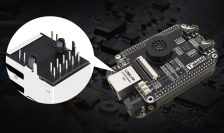
Understand the difference between a LAN Transformer and a LAN Filter. Learn how both work together in RJ45 magnetic connectors to ensure Ethernet signal integrity and EMC compliance.
Learn the functions, differences, and applications of resistors, capacitors, and inductors in electronic circuits. Essential knowledge for engineers and PCB designers.
A router ONU combines signal conversion and network routing for fiber-optic internet, letting you connect multiple devices to fast, reliable service at home.
Network Filter explained: what LAN filters and Ethernet common-mode chokes do, why they matter for EMI, isolation, and PoE, and how to choose the right RJ45 magnetics.
Insertion loss in RJ45 connectors weakens signal strength, impacting network reliability. Learn how to minimize insertion loss for optimal performance.
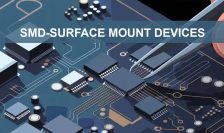
A Surface-Mount Device (SMD) is a compact electronic component mounted directly on a PCB, enabling smaller, faster, and more efficient modern electronics.
CPRI (Common Public Radio Interface) connects baseband units to remote radio units, enabling high-speed, low-latency communication in wireless networks.
EMC Electromagnetic Compatibility ensures devices work safely and reliably in shared environments by minimizing interference and meeting compliance standards.
SMT, or Surface Mount Technology, is a method for mounting electronic components directly onto PCB surfaces, enabling compact designs and efficient manufacturing.
Discover the LQ‑SW40‑SR4C 40GBASE‑SR module: high-speed, low-power, QSFP+ optics for multimode fibre networks. Perfect for data centres and network upgrades.
Learn what hyperconverged infrastructure HCI is, how it compares with virtualization and dHCI, and when Nutanix, Sangfor, or SFP-based designs fit best.
Understand SFP+ 40km (10GBASE-ER) modules, including specs, SMF compatibility, and how to choose the right extended-reach optical transceiver for your network.