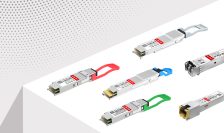
Discover the LQ‑SW40‑SR4C 40GBASE‑SR module: high-speed, low-power, QSFP+ optics for multimode fibre networks. Perfect for data centres and network upgrades.
The LINK-PP LQD-CW400-LR4C 400G QSFP-DD LR4 Transceiver offers 10km range, 400Gbps speed, and energy efficiency, ideal for data centers and enterprise networks.
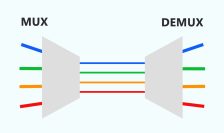
Wavelength Division Multiplexing (WDM) uses optical transceiver modules to send multiple data streams through a single fiber, boosting bandwidth and efficiency.
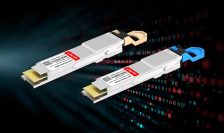
QSFP-DD Optical Transceivers deliver up to 800Gbps speeds, offering high bandwidth, energy efficiency, and compatibility for modern networks and data centers.
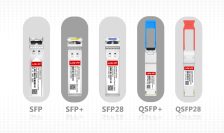
Compare SFP, SFP+, SFP28, QSFP+, and QSFP28 optical transceivers. Learn how form factors affect speed, compatibility, and performance in modern networks.
About LINK-PP: A global leader in magnetic components, offering high-quality RJ45 Connectors, LAN Transformers, and Optical Transceivers for reliable networks.
The Receiver Optical Sub-Assembly (ROSA) is a critical optoelectronic component in Optical Tranceivers, responsible for converting incoming optical signals into
LINK-PP Optical Modules deliver high bandwidth, low latency, and reliability for AI, IoT, and Big Data workloads in scalable, energy-efficient networks.
Learn how LINK-PP RJ45 connectors, PoE solutions, and LAN transformers enhance PTZ camera performance, providing stable power, high-speed data, and EMI protection for smart surveillance networks.
Discover the essential functions of PoE LAN transformers and how LINK-PP magnetic components ensure stable power and high-speed Ethernet data transmission.
IPv4 Address uses a 32-bit numeric format, while IPv6 offers 128-bit alphanumeric addresses, more capacity, and improved security for growing networks.
Learn how RJ45 magnetic jacks enable stable power, clean signals, and reliable network connections in VoIP phones — featuring LINK-PP PoE-ready RJ45 solutions.
Learn what MTTR (Mean Time to Repair) means, why it matters for system reliability, and how LINK‑PP’s hot-swappable SFP/SFP+ transceivers reduce repair time.
Learn PROFIBUS fundamentals, protocol types, architecture, and industrial applications. Includes expert terminology and LINK-PP RJ45 connectors for hybrid systems.
Learn PROFINET fundamentals, architecture, device classes, and real-time communication requirements. Includes hardware insights and LINK-PP integrated RJ45 solutions.
Network congestion slows internet speeds and causes dropped connections. Learn how to identify, fix, and prevent network congestion for smoother online use.
Learn what network latency is, what causes it, and actionable strategies to reduce it. Discover how high-performance optics from brands like LINK-PP can help.
SERDES interfaces convert parallel data to serial for high-speed, reliable transmission, reducing wiring and improving signal integrity in electronics.
Discover the LQ‑SW40‑SR4C 40GBASE‑SR module: high-speed, low-power, QSFP+ optics for multimode fibre networks. Perfect for data centres and network upgrades.
Learn what hyperconverged infrastructure HCI is, how it compares with virtualization and dHCI, and when Nutanix, Sangfor, or SFP-based designs fit best.
Understand SFP+ 40km (10GBASE-ER) modules, including specs, SMF compatibility, and how to choose the right extended-reach optical transceiver for your network.