Discover the LQ‑SW40‑SR4C 40GBASE‑SR module: high-speed, low-power, QSFP+ optics for multimode fibre networks. Perfect for data centres and network upgrades.
100M Optical Module enables fast, reliable connections for offices, factories, security, and telecom networks, supporting efficient short-distance data transfer.
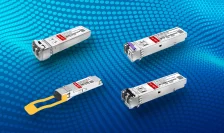
Discover how optical modules power backbone networks: high-speed data, reliability, LINK-PP advantages, and procurement tips for data centers and carriers.
OTU4 is a high-speed digital layer in optical transport networks, enabling reliable 100GE data transmission with strong error correction and scalability.
An ISP is the company that delivers internet access to individuals and businesses. Discover how ISPs enable connectivity and how LINK-PP's Magnetics support their infrastructure.
1310nm optical module offers reliable, cost-effective data transmission for metro, campus, and enterprise networks. Compare performance, reach, and use cases.
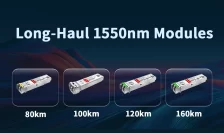
Discover how a 1550 nm optical transceiver converts electrical signals into light for long-distance fiber links. Learn its benefits, tech specs, and LINK-PP models.
Explore how LINK-PP optical modules enhance MPLS networks, supporting high-speed, reliable data transmission for carrier backbones, DCI, and enterprise VPNs.
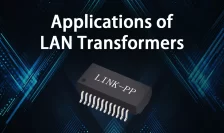
Applications of LAN transformers include protecting network devices, ensuring signal integrity, and supporting reliable data in Ethernet, PoE, and industrial systems.
Optical Modules differ by fiber count and mode: single/dual fiber affects cabling, while single-mode/multi-mode impacts distance and speed in networks.
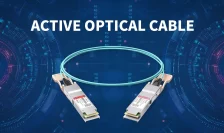
An active optical cable uses built-in transceivers to convert electrical signals to light, enabling high-speed, long-distance data transmission with minimal loss.
CPO vs LPO: Compare key differences, benefits, power savings, and best use cases for data centers to choose the right optical technology for your needs.
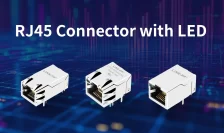
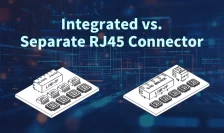
Learn the differences between integrated and separate RJ45 connectors from LINK-PP. Discover how to choose the right solution for your Ethernet applications.
LPO transceivers cut power use, lower latency, and boost reliability in data centers, making them ideal for high-speed, energy-efficient optical links.
Learn what a Network Operating System (NOS) is, how it runs switches and routers, and why it is essential for routing, automation, telemetry, and modern data center networks.
Throughput in network communication is the actual amount of data transferred per second, showing real network performance for streaming, gaming, and downloads.
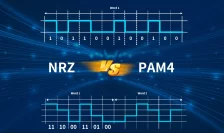
Intersymbol interference (ISI) in digital communication occurs when overlapping signals cause bit errors, reducing data reliability and signal clarity.
Discover how VoIP enables voice-data convergence over Ethernet. Learn key protocols, QoS metrics, and hardware considerations for modern network systems.
Learn what QoS (Quality of Service) means, how it works, and why it is essential for real-time IP networks. Includes practical applications and hardware considerations.
Explore Label Switched Paths (LSPs) in MPLS networks—definition, operation, and applications in telecom and data centers. Learn how LINK-PP components enhance network reliability.
Discover the LQ‑SW40‑SR4C 40GBASE‑SR module: high-speed, low-power, QSFP+ optics for multimode fibre networks. Perfect for data centres and network upgrades.
Learn what hyperconverged infrastructure HCI is, how it compares with virtualization and dHCI, and when Nutanix, Sangfor, or SFP-based designs fit best.
Understand SFP+ 40km (10GBASE-ER) modules, including specs, SMF compatibility, and how to choose the right extended-reach optical transceiver for your network.
Subscribe to LINK-PP
newsletter
Don’t miss anything. Get all the latest posts delivered straight to your inbox.