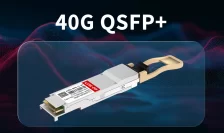
Discover the LQ‑SW40‑SR4C 40GBASE‑SR module: high-speed, low-power, QSFP+ optics for multimode fibre networks. Perfect for data centres and network upgrades.
Discover what a PCB (Printed Circuit Board) is, its structure, types, and applications in electronics. Explore LINK-PP’s PCB-based RJ45 and MagJack solutions.
Compare 10G SFP+ LR and 25G SFP28 LR 1310nm transceivers for 10 km SMF links. Learn differences in throughput, power, laser type, cost and when to upgrade. Explore LINK-PP models.
Explore the essential components and types of servers, including rack, blade, and hyperconverged infrastructures. Learn how servers power modern IT systems and support businesses worldwide.
Unlock the power of QSFP+ MSA: a multi-vendor standard for 40G transceivers ensuring seamless interoperability. Discover LINK-PP 40G QSFP+ options like SR4, LR4, and FR4.
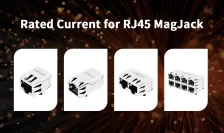
Learn how integrated RJ45 connectors support data and power—covering IEEE PoE standards, rated current per contact/pair, and Link-PP reliable product insights.
A breakout DAC connects one high-speed port to several lower-speed ports, enabling fast, cost-effective, and reliable short-distance network connections.
GR-468-CORE Telcordia standard is the global benchmark for optical component reliability. Discover how LINK-PP’s optical modules meet GR-468 requirements.
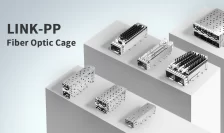
Select the best fiber optic cage by considering compatibility, port density, thermal management (heatsink options), light pipe integration, EMI shielding, etc.
What is UL94 V-0? Learn the strictest fire safety rating, real procurement value, compliance scenarios, and get LINK-PP UL94 V-0 certified network solutions.
Learn about J-STD-002 solderability testing and how LINK-PP’s Integrated RJ45, LAN Transformers, Modular Jacks, and Fiber Optic Cages meet this standard.
Learn how LDP (Label Distribution Protocol) establishes Label Switched Paths in MPLS networks. Understand LDP functions, working principles, and relation to LINK-PP products.
Central Management Server streamlines server management, enabling secure, centralized control, updates, and monitoring for multiple systems in one place.
Dispersion compensation in optical systems corrects chromatic dispersion, ensuring clear, accurate signals in fiber optic communication and imaging applications.
In-band Network Telemetry embeds real-time monitoring data in each packet, enabling instant network insights, troubleshooting, and performance analysis.
Remote network monitoring enables real-time network management, security, and troubleshooting from any location, supporting both remote teams and multiple site.
Learn what Multipoint-to-Point (MP2P) architecture is, how it works, and how LINK-PP optical transceivers enhance data efficiency in modern fiber networks.
Learn how multipoint-to-multipoint (MP2MP) networks work, their advantages, and applications in optical communications. Discover LINK-PP optical modules supporting MP2MP systems.
Explore the fundamentals of Point-to-Point (P2P) network architecture, its working principles, and how LINK-PP RJ45 connectors and optical transceivers enable reliable high-speed communication.
Discover the LQ‑SW40‑SR4C 40GBASE‑SR module: high-speed, low-power, QSFP+ optics for multimode fibre networks. Perfect for data centres and network upgrades.
Learn what hyperconverged infrastructure HCI is, how it compares with virtualization and dHCI, and when Nutanix, Sangfor, or SFP-based designs fit best.
Understand SFP+ 40km (10GBASE-ER) modules, including specs, SMF compatibility, and how to choose the right extended-reach optical transceiver for your network.
Subscribe to LINK-PP
newsletter
Don’t miss anything. Get all the latest posts delivered straight to your inbox.