


IPv6 Address: The Inevitable Evolution of the Internet

An IPv6 address enables secure, efficient device connections online, offering a vast address space and improved network management over IPv4.
An IPv6 address enables secure, efficient device connections online, offering a vast address space and improved network management over IPv4.

Learn the key differences between IEEE 802.3af (PoE), 802.3at (PoE+), and 802.3bt (PoE++). Understand power levels, compatibility, and applications with LINK-PP’s PoE magnetics solutions.

Learn the difference between PSE and PD in PoE networks, how detection & classification work, and which LINK-PP PoE RJ45 products suit your WAP, camera or VoIP deployment.
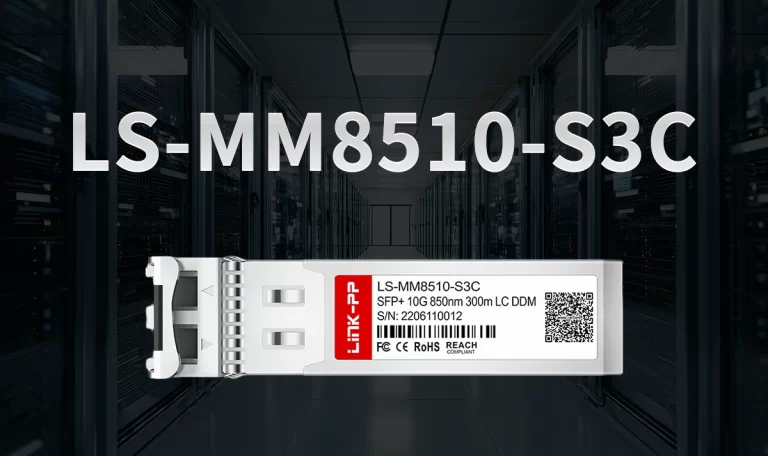
LINK-PP LS-MM8510-S3C Optical Transceiver matches Aruba J9150D in speed, compatibility, and reliability, offering a cost-effective, seamless replacement.

Learn what a Powered Device (PD) is in PoE networks, how it receives power from a PSE, and explore LINK-PP’s PoE-ready components like LPJK6072AONL and LP41223NL.

Edge computing processes data near its source, enabling faster decisions, reduced latency, and efficient bandwidth use for real-time applications.
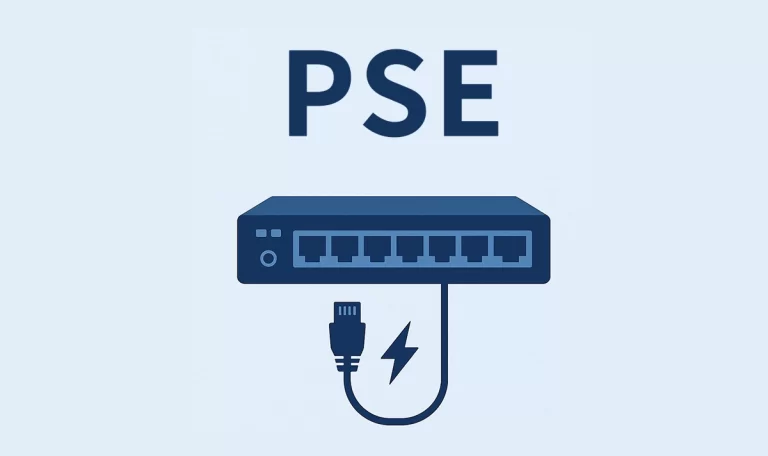
Learn what Power Sourcing Equipment (PSE) is, how it works in PoE networks, and explore LINK-PP’s PoE-compatible RJ45 connectors and transformers.
LINK-PP's fiber optic cage assemblies deliver high-density, EMI-shielded, and thermally managed solutions for 400G transceiver form factor needs.
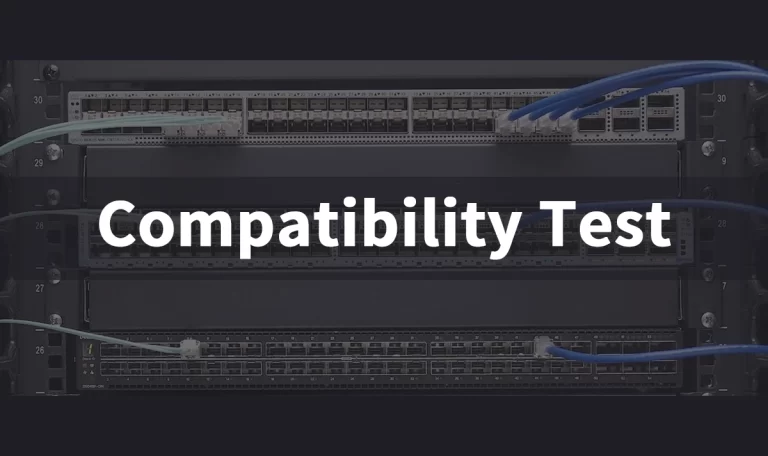
LINK-PP optical transceivers offer full compatibility with Cisco Catalyst 9300 switches, ensuring reliable performance and cost-effective network expansion.

Power consumption optimization for optical transceivers in edge computing reduces energy use, lowers costs, and boosts network scalability and reliability.