


Active Optical Network (AON): The High-Power Backbone of Modern Fiber Optics
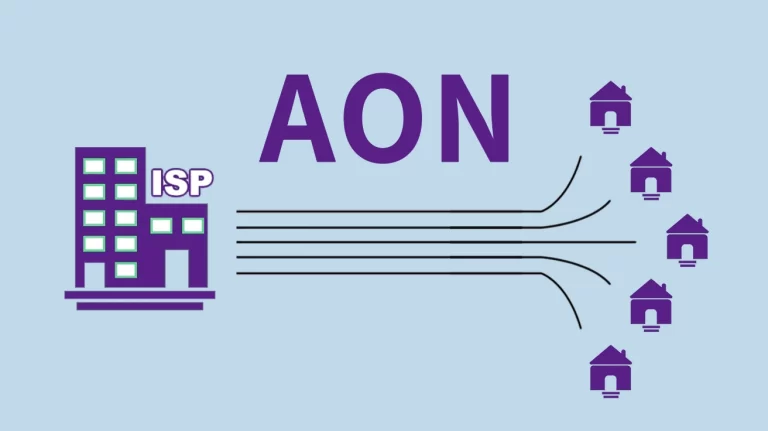
Active Optical Networks provide dedicated fiber lines and powered equipment for private, reliable, and high-speed internet connections.
Active Optical Networks provide dedicated fiber lines and powered equipment for private, reliable, and high-speed internet connections.
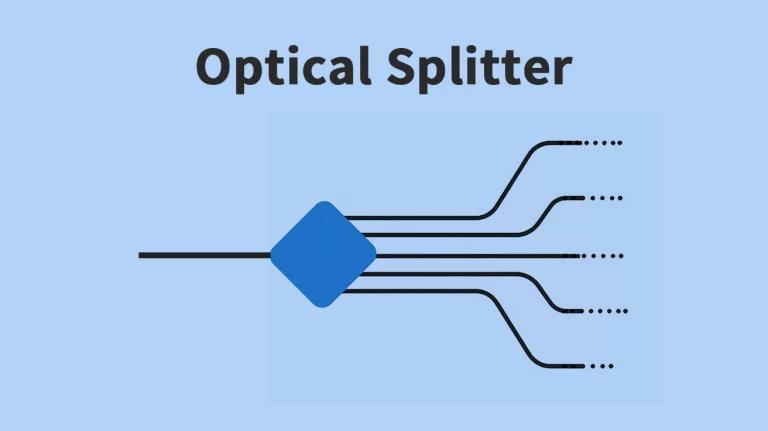
explains how optical splitters enable FTTH, their types (FBT vs. PLC), key ratios, and how they integrate with LINK-PP optical modules for a seamless network.
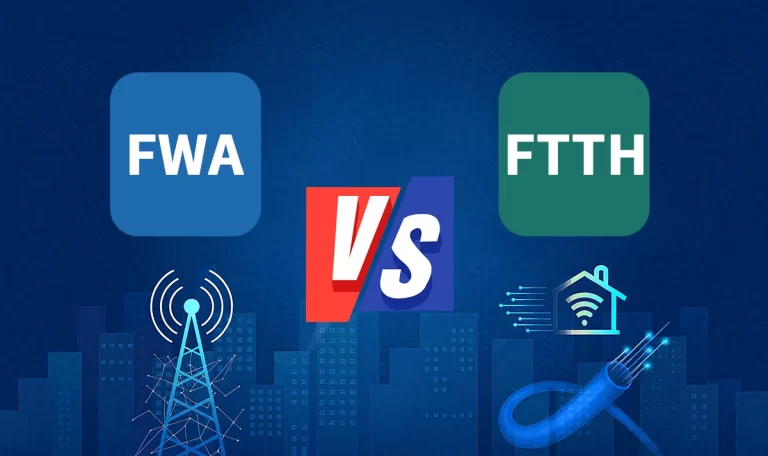
Compare FTTH and FWA broadband technologies. Learn their differences in speed, cost, deployment, and use cases. Discover how LINK-PP SFP modules support both networks.
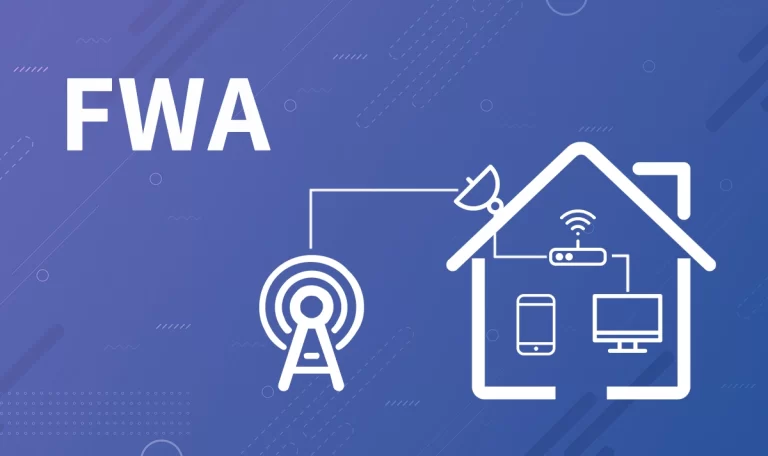
Discover what FWA is, how it delivers broadband using 4G/5G wireless networks, and why it matters for connectivity. Learn its benefits, challenges, and how LINK-PP SFP modules support reliable FWA deployments.
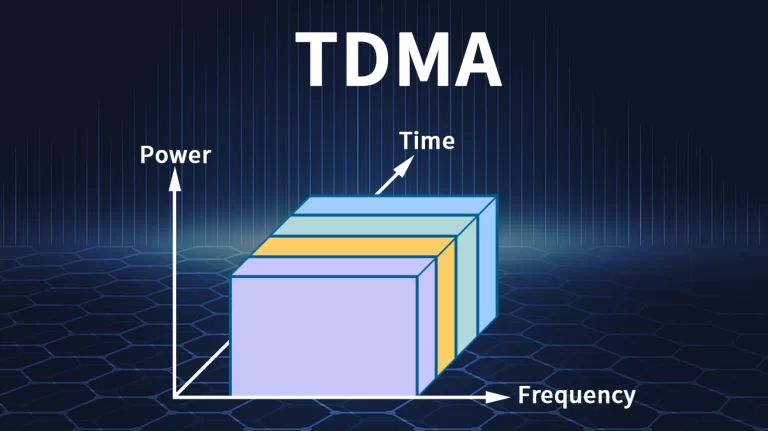
Time Division Multiple Access allows multiple users to share one channel by assigning time slots, ensuring clear calls and efficient data in modern networks.

Passive optical networks use fiber and unpowered splitters to deliver fast, reliable internet from providers to multiple users efficiently.

ONU vs ONT explained: Understand the key differences, roles, and which device suits your fiber optic internet needs for home or shared buildings.

What is Optical Line Terminal (OLT)? An OLT is the main device in fiber networks, converting signals and managing data for fast, stable internet connections.
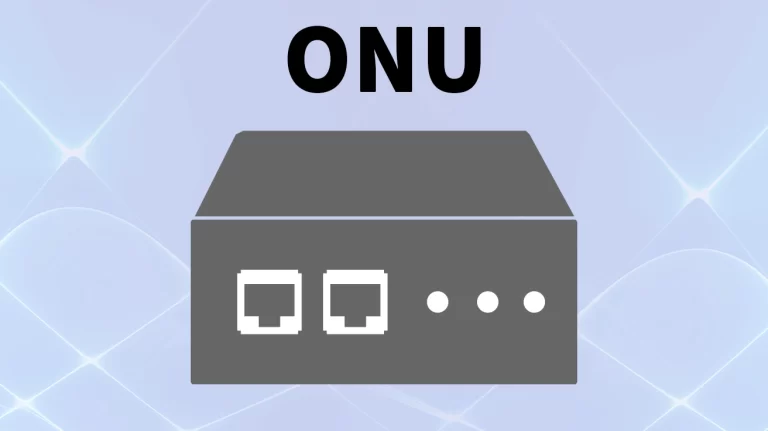
What is Optical Network Unit (ONU)? An ONU converts fiber optic signals for your devices, ensuring fast, stable internet at home or business.
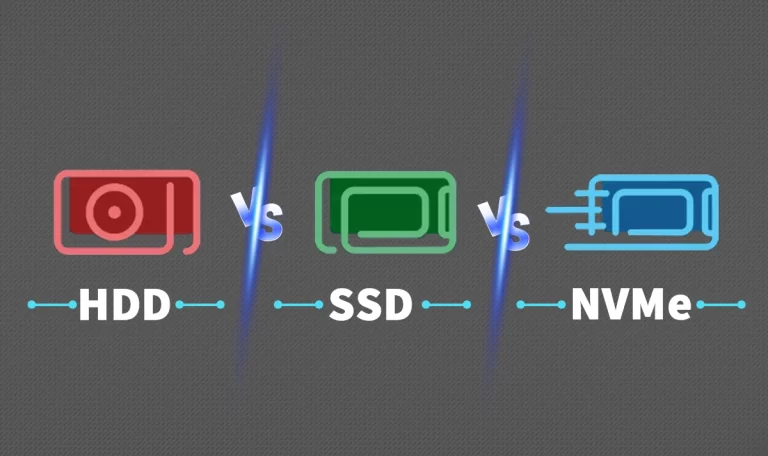
Explore the differences between HDD, SSD, and NVMe drives. Learn about speed, cost, and best use cases, and see how LINK-PP connectivity solutions support storage systems.