


FTTH vs. FTTB: Key Differences Between Fiber to the Home and Fiber to the Building
Understand the differences between FTTH and FTTB. Learn how LINK-PP’s optical transceivers support both fiber access architectures for reliable connectivity.
Understand the differences between FTTH and FTTB. Learn how LINK-PP’s optical transceivers support both fiber access architectures for reliable connectivity.
Wave Soldering vs. Reflow Soldering: Compare processes, applications, costs, and best uses for PCB assembly to choose the right method for your project.
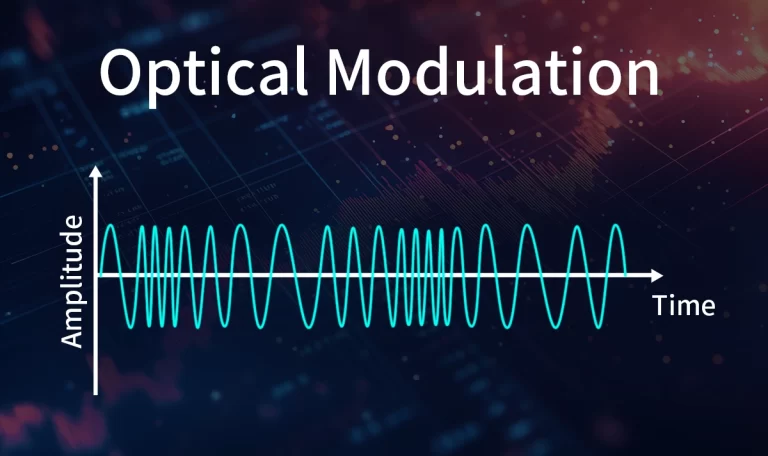
Optical modulation changes light properties to encode data, enabling high-speed, reliable transmission in fiber optic communication systems.

Discover what data bandwidth means, how it affects devices, and why it matters in digital communication. Learn how LINK-PP supports high-speed data transfer.
Bit error rate measures data errors in networks. High BER leads to slow speeds, lost files, and poor call quality. Learn how BER impacts performance.

Explore detailed insights into FTTx deployments including FTTH, FTTB, FTTC, and more. Learn how LINK-PP’s optical modules support reliable fiber networks.
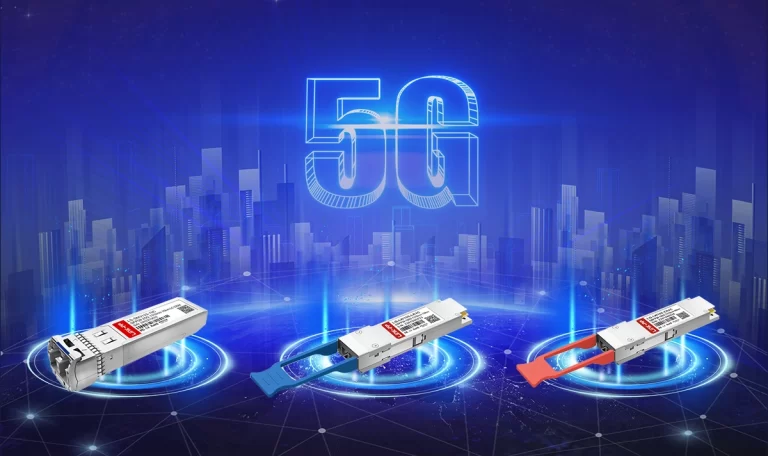
Optical modules enable high-speed, low-latency 5G networks by converting signals for fast, reliable data transfer, supporting seamless connectivity and future growth.
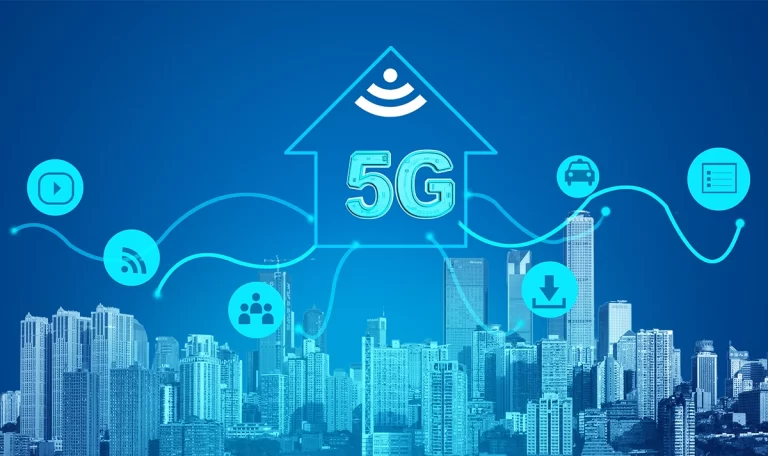
5G backhaul links cell sites to core networks, enabling high-speed, low-latency 5G services. Strong backhaul is vital for 2025’s data and device growth.
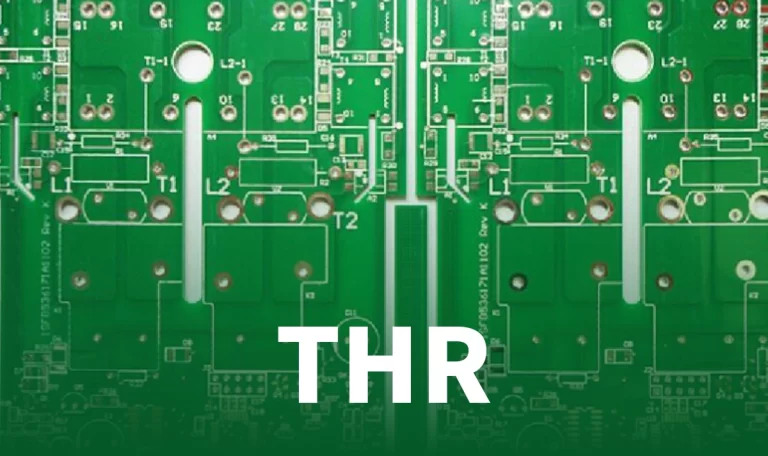
Through‑Hole Reflow Soldering enables simultaneous soldering of through-hole and surface-mount components in a single efficient reflow process.
5G fronthaul links radio and processing units, enabling high-speed, low-latency data transfer essential for reliable and efficient 5G communication.