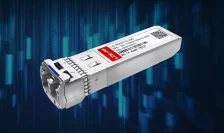
Discover the LQ‑SW40‑SR4C 40GBASE‑SR module: high-speed, low-power, QSFP+ optics for multimode fibre networks. Perfect for data centres and network upgrades.
Receiver sensitivity shows the lowest signal a device can detect. Learn how it impacts connection quality and what values mean for your device’s performance.
Learn the differences between Big Data and Traditional Data, including scale, speed, complexity, and infrastructure needs. Discover how optical modules enable modern Big Data workloads.
Discover what Big Data is, its 5V characteristics, real-world applications, technologies, and future trends. Learn how optical transceivers support Big Data networks.
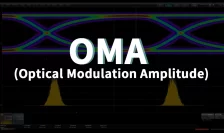
Learn what OMA (Optical Modulation Amplitude) means in optical communications, how to calculate it from P₁/P₀ and extinction ratio, and why it’s critical in transceiver specs like LINK-PP SFP modules.
Discover how LINK-PP’s high-performance SFP/SFP+ transceivers enable low-latency, scalable connectivity for modern databases and data centers. Explore technical specs, use cases, and integration tips.
EPON delivers fast, reliable internet using fiber-optic cables with a simple, cost-effective design, making it ideal for homes and businesses seeking high-speed access.
Optical modules enable high-speed, low-latency links across 5G fronthaul, midhaul, and backhaul. Learn how transceiver types, standards, and deployment needs shape modern telecom networks.
Clear, practical guide to SFF-8431 — the SFP+ 10G electrical interface standard. Learn the key requirements, design considerations, and how LINK-PP 10G SFP modules comply.
Explore how RJ45 Magjack connectivity solutions from LINK-PP enhance telecom infrastructure—improving reliability, PoE support and integration for next-gen networks.
Explore what a telecom network is, how it works, and its role in 5G. Learn opportunities, challenges, and how LINK‑PP solutions support next-gen networks.
Learn what the SFP28 MSA (Small Form-factor Pluggable 28 Multi-Source Agreement) defines, why it matters for 25G Ethernet, and how it ensures module interoperability.
Machine Learning (ML) enables computers to learn from data, identify patterns, and make predictions, powering tools like voice assistants and recommendations.
Discover how optical transceivers power Smart Industry 4.0 networks—enabling high-speed, low-latency, reliable connectivity in modern factories with 1G, 10G and 25G modules certified for industrial use.
OSI vs TCP/IP: OSI is ideal for learning network concepts, while TCP/IP is used for real-world networking. Compare their layers, uses, and main differences.
What Frame Check Sequence (FCS) means, how CRC-32 detects corrupted Ethernet frames, and why FCS errors are commonly associated with cable faults, fiber issues, or optical transceiver problems.
Discover how optical cross‑connect (OXC) enables all‑optical switching in DWDM/OTN networks, with LINK‑PP SFP modules ensuring seamless integration and superior performance.
Learn what Dispersion Compensation Fiber (DCF) is, how it reduces chromatic dispersion, where it is used, and why it matters in modern optical networks.
Learn what OEO means in optical communication, how optical-electrical-optical regeneration works, and when it is used in DWDM networks and optical links. Keywords:
Discover the LQ‑SW40‑SR4C 40GBASE‑SR module: high-speed, low-power, QSFP+ optics for multimode fibre networks. Perfect for data centres and network upgrades.
Learn what hyperconverged infrastructure HCI is, how it compares with virtualization and dHCI, and when Nutanix, Sangfor, or SFP-based designs fit best.