


FC SFP Module: Compatibility, Speed, and Selection Guide

What an FC SFP module is, how it differs from Ethernet SFPs, which speeds and fiber types it supports, and how to choose the right one.
What an FC SFP module is, how it differs from Ethernet SFPs, which speeds and fiber types it supports, and how to choose the right one.

The TOSA is a critical component in optical transceivers, converting electrical signals into optical signals for high-speed fiber optic communication.
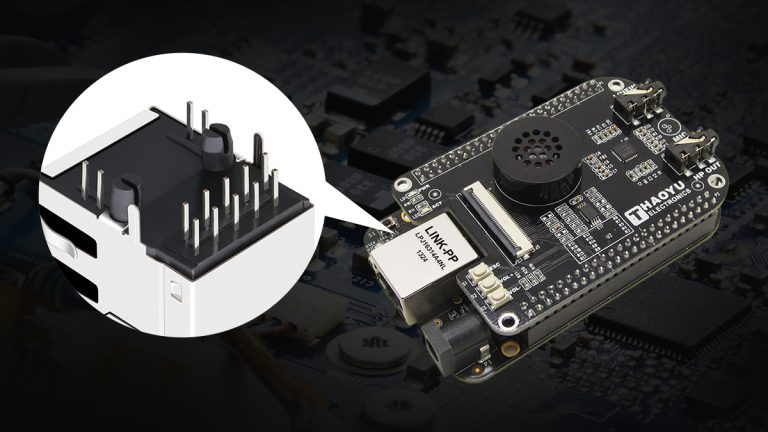
Through-Hole Technology (THT) involves inserting component leads into PCB holes and soldering them, ensuring durable connections for high-reliability applications.
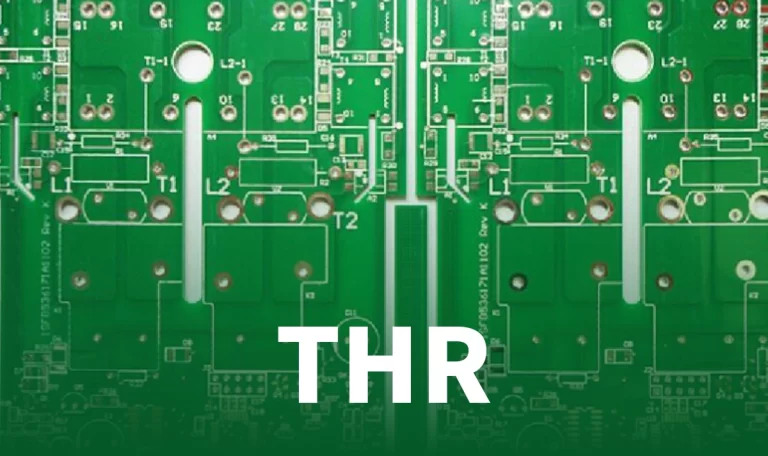
Through‑Hole Reflow Soldering enables simultaneous soldering of through-hole and surface-mount components in a single efficient reflow process.
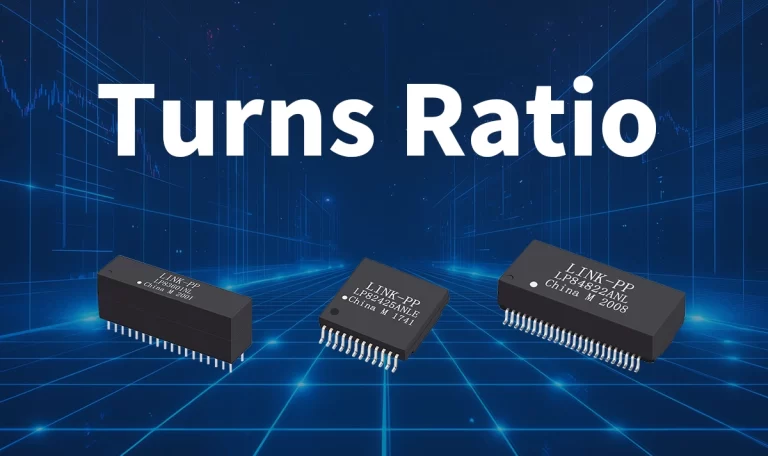
Turns ratio in LAN transformers defines the winding relationship, typically 1:1, ensuring signal integrity, voltage stability, and Ethernet compliance.
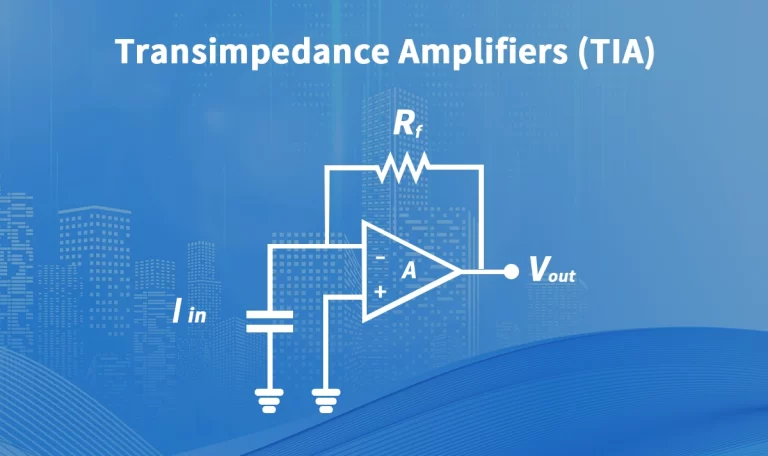
Transimpedance Amplifiers (TIAs) convert sensor current to voltage using an op-amp and feedback resistor, enabling accurate signal measurement.
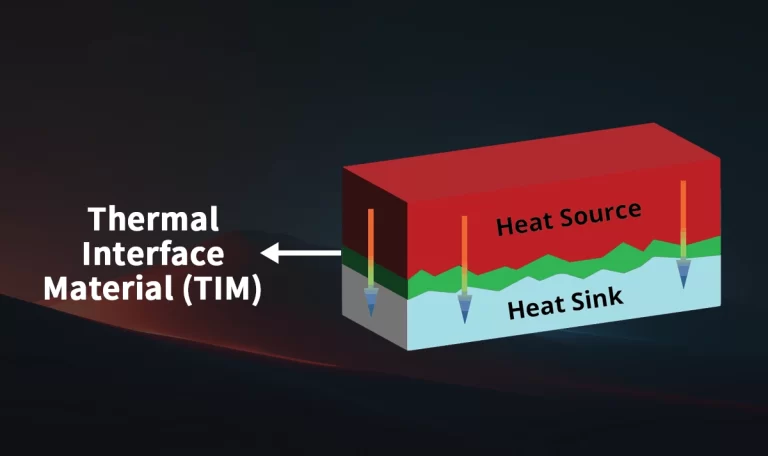
Explore what Thermal Interface Material (TIM) is, its key types, and why it matters in electronics and optical transceivers. Learn how TIM improves heat transfer, boosts device reliability, and supports LINK-PP modules—all explained clearly for better SEO and reader value.
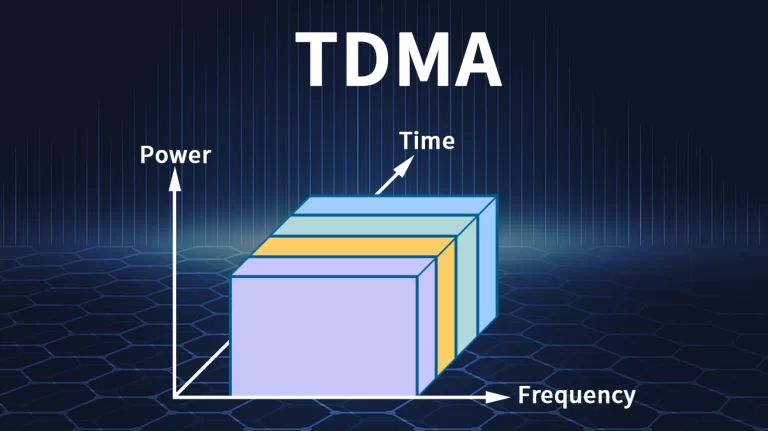
Time Division Multiple Access allows multiple users to share one channel by assigning time slots, ensuring clear calls and efficient data in modern networks.

The TCP/IP model organizes network communication into four layers, enabling secure data exchange between devices across the internet.

Discover how TSN (Time-Sensitive Networking) brings deterministic, low-latency, and reliable data delivery to Industry 4.0 and automotive Ethernet networks.