Learn what FFE (Feed-Forward Equalizer) is, how transmit equalization works, and why FFE is essential for high-speed optical modules and SerDes signal integrity.
A wireless LAN (WLAN) connects devices like laptops and phones using radio waves, enabling flexible, cable-free networking in homes, schools, or offices.
Learn how the Continuous-Time Linear Equalizer (CTLE) dramatically improves signal integrity in SFP modules, effectively combating channel loss and maximizing link performance.
Discover what a backplane is, how backplane channels support high-speed 40G/100G Ethernet, key standards, and design challenges. Learn how LINK-PP RJ45 connectors enhance backplane performance.
Learn the IEEE 802.3bj 100G Ethernet standard for backplane and copper cable interconnects. Explore PAM4, FEC, KP4/KR4/CR4 PHYs, and how LINK-PP modules support high-speed networks.
Learn what IEEE 802.3cd defines for 50G, 100G and 200G Ethernet. Explore PAM4 technology, key PMDs, deployment use cases and suitable LINK-PP optical transceivers.
What are SFP ports on a switch? Learn how SFP ports support fiber and Ethernet connections, how they compare with RJ45 and SFP+, and which module you need.
An SGMII SFP transceiver enables fast Ethernet connections over copper or fiber, supporting flexible speeds and device compatibility in modern networks.
Learn what MTTR (Mean Time to Repair) means, why it matters for system reliability, and how LINK‑PP’s hot-swappable SFP/SFP+ transceivers reduce repair time.
Network congestion slows internet speeds and causes dropped connections. Learn how to identify, fix, and prevent network congestion for smoother online use.
Learn PROFIBUS fundamentals, protocol types, architecture, and industrial applications. Includes expert terminology and LINK-PP RJ45 connectors for hybrid systems.
Learn PROFINET fundamentals, architecture, device classes, and real-time communication requirements. Includes hardware insights and LINK-PP integrated RJ45 solutions.
Learn what network latency is, what causes it, and actionable strategies to reduce it. Discover how high-performance optics from brands like LINK-PP can help.
SERDES interfaces convert parallel data to serial for high-speed, reliable transmission, reducing wiring and improving signal integrity in electronics.
Discover the LINK-PP LP41223NL PoE+ Magnetics Transformer for 10/100 Base-T Ethernet. High isolation, low loss, and ideal for PoE/PoE+ network devices.
Discover how LINK-PP’s high-performance SFP/SFP+ transceivers enable low-latency, scalable connectivity for modern databases and data centers. Explore technical specs, use cases, and integration tips.
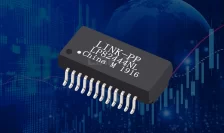
LP82444NL PoE LAN Transformer boosts network reliability, signal integrity, and power delivery for efficient, safe, and high-speed modern Ethernet applications.
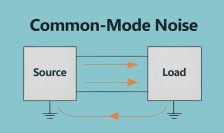
Understand common-mode noise: what it is, how it affects Ethernet/EMI, and how to suppress it using magnetics and filters. A practical guide for engineers.
Learn how Integrated Circuits (ICs) work with LINK-PP products such as RJ45 connectors, LAN transformers, and optical transceivers. Explore applications in Ethernet, PoE, and data centers.
Compare 10G SFP+ LR and 25G SFP28 LR 1310nm transceivers for 10 km SMF links. Learn differences in throughput, power, laser type, cost and when to upgrade. Explore LINK-PP models.