Welcome to the LINK-PP Community

More Posts

Learn what an OPM optical power meter is, how it measures optical power and loss, and why it matters for optical modules, SFP, and QSFP testing.
Learn what a fixed optical attenuator is, how it works, and why it is used to control optical power, protect receivers, and support optical modules.
Learn what a VOA variable optical attenuator is, how it works, and why it is critical for optical modules like SFP and QSFP in fiber networks.
Understand what a Digital Communication Analyzer (DCA) is, how it works, and why it is essential for optical module testing, eye diagrams, and signal integrity.
Learn optical link budget calculation for SFP modules with formulas, real examples, fiber loss breakdown, and troubleshooting tips for reliable links.
Explore the Netgear AGM731F datasheet with specs, LC connector, OM1/OM3/OM4 distances, compatibility, power use, and operating limits.
Learn what 40GBASE-ER4 is, how far it reaches over duplex single-mode fiber, what it supports, and how to choose the right QSFP+ optic.
Learn QSFP+ 40GBASE-LR4 specs, distance limits, compatibility tips, and buying advice. Avoid common deployment issues with this expert guide.
Learn what SFP means in telecom, including types, fiber vs copper, distances, and real-world applications like PON and DWDM. A complete selection guide.
Understand SFP+ 40km (10GBASE-ER) modules, including specs, SMF compatibility, and how to choose the right extended-reach optical transceiver for your network.
Learn what an SFP link is, why it fails, and how to fix compatibility, cabling, and link-flap issues with practical checks and clear steps.
What are SFP ports on a switch? Learn how SFP ports support fiber and Ethernet connections, how they compare with RJ45 and SFP+, and which module you need.
Optical transceivers in UAVs enable high-speed, secure, and low-latency drone communication for real-time video, telemetry, and mission-critical data.
Explore the technology behind 400 G QSFP‑DD transceivers, including form factor, modulation, optical lanes, and thermal design.
Understand hot‑pluggable optical modules insertion cycle limits, and learn care tips—including ESD-safe handling, dust prevention, and heat management.
Discover how Small and Medium-sized Businesses SMBs use SFP modules to build scalable, cost-efficient, and future-ready business networks.
An SGMII SFP transceiver enables fast Ethernet connections over copper or fiber, supporting flexible speeds and device compatibility in modern networks.
Explain the key differences between FC SFP and Ethernet SFP modules, including compatibility, SAN vs LAN use cases, speeds, and deployment tips.
Discover Fiber Channel Transceiver use cases, SAN deployment tips, FC SFP compatibility, speeds, troubleshooting, and enterprise storage applications.
Learn what SFP technology is, how SFP modules work, common compatibility issues, and how to choose the right transceiver for your network.
Wi-Fi technology enables wireless internet access for devices like phones, laptops, and tablets, using radio waves for fast, cable-free connectivity.
Discover the Decision Feedback Equalizer (DFE), the nonlinear technique essential for minimizing ISI. Learn how DFE improves bit BER in optics transceivers and long-haul data links.
Learn what FFE (Feed-Forward Equalizer) is, how transmit equalization works, and why FFE is essential for high-speed optical modules and SerDes signal integrity.
A wireless LAN (WLAN) connects devices like laptops and phones using radio waves, enabling flexible, cable-free networking in homes, schools, or offices.
Learn how the Continuous-Time Linear Equalizer (CTLE) dramatically improves signal integrity in SFP modules, effectively combating channel loss and maximizing link performance.
SCP (Secure Copy) enables secure, encrypted file transfers between computers using SSH. See how to use SCP, its features, and best practices.
FTP over SSL (FTPS) secures file transfers by encrypting data with SSL/TLS, protecting sensitive information from unauthorized access during transit.
HTTP over SSL encrypts your data, ensuring secure, private communication and protecting sensitive information from hackers during web browsing.
Understand TDCEQ, the critical PAM4 transmitter quality metric for modern optical modules. Learn how tdecq measures vertical eye closure and affects 50/100/400g module performance and compliance.
SVI in networking lets you assign IP addresses to VLANs, enabling inter-VLAN routing and efficient Layer 3 switch management for your network.
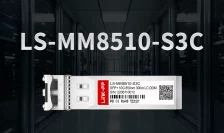
LINK-PP LS-MM8510-S3C Optical Transceiver matches Aruba J9150D in speed, compatibility, and reliability, offering a cost-effective, seamless replacement.
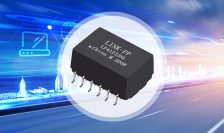
Discover the LINK-PP LP41223NL PoE+ Magnetics Transformer for 10/100 Base-T Ethernet. High isolation, low loss, and ideal for PoE/PoE+ network devices.
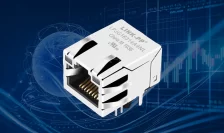
LPJG16314A4NL Single Port RJ45 Connector offers integrated magnetics, EMI shielding, and LED indicators for reliable 10/100/1000 Base-T Ethernet.
Discover how LINK-PP’s high-performance SFP/SFP+ transceivers enable low-latency, scalable connectivity for modern databases and data centers. Explore technical specs, use cases, and integration tips.
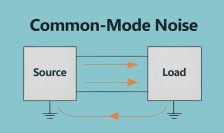
Understand common-mode noise: what it is, how it affects Ethernet/EMI, and how to suppress it using magnetics and filters. A practical guide for engineers.
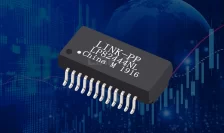
LP82444NL PoE LAN Transformer boosts network reliability, signal integrity, and power delivery for efficient, safe, and high-speed modern Ethernet applications.
Learn how Integrated Circuits (ICs) work with LINK-PP products such as RJ45 connectors, LAN transformers, and optical transceivers. Explore applications in Ethernet, PoE, and data centers.
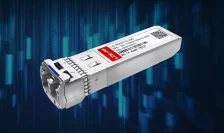
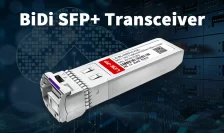
BiDi SFP+ Transceiver LS-BL495510-A0C offers 100km reach, fiber savings, and easy installation for reliable long-distance network connections.
Compare 10G SFP+ LR and 25G SFP28 LR 1310nm transceivers for 10 km SMF links. Learn differences in throughput, power, laser type, cost and when to upgrade. Explore LINK-PP models.

Learn what the SFF-8436 specification is, how it defines QSFP+ transceivers, and why it matters for 40G Ethernet, InfiniBand, and Fibre Channel.