Discover what HDI PCB (High-Density Interconnect) is, its advantages, manufacturing techniques, and key applications in modern electronics and 5G devices.
Explore the essential components and types of servers, including rack, blade, and hyperconverged infrastructures. Learn how servers power modern IT systems and support businesses worldwide.
qsfp+ 40g FR4 offers high-speed, long-reach data transmission for modern networks, improving performance, efficiency, and future scalability in data centers.
QSFP+ 40G ER4 is a 40G transceiver for long-distance, high-speed links up to 40km, ideal for data centers and enterprise networks using single-mode fiber.
QSFP+ 40G LR4 enables high-speed, long-range data transfer for data centers, enterprises, and telecoms, supporting reliable 40G network growth in 2025.
Discover the role of optical module housings in data centers & 5G. Learn about materials like ceramics & alloys, thermal challenges, and explore Link-PP's optical transceivers.
Discover how DDMI—the Digital Diagnostic Monitoring Interface—gives real-time insights into optical transceivers. Learn its key metrics, benefits, and how LINK-PP modules support it.
Discover the differences between P2P, P2MP, MP2P, and MP2MP network architectures. Learn how LINK-PP optical transceivers enable efficient, high-speed connectivity.
Time-Sensitive Networking ensures reliable, on-time data delivery, while PTP focuses on clock synchronization. Compare TSN vs PTP for your network needs.
A disaster recovery solution for optical networks ensures rapid recovery, minimizes downtime, and protects critical data center operations from unexpected failures.
OSI vs TCP/IP: OSI is ideal for learning network concepts, while TCP/IP is used for real-world networking. Compare their layers, uses, and main differences.
Learn what RJ45 connectors are, their pinout, wiring types, and how they support Ethernet, PoE, and Gigabit networks. Discover LINK-PP’s RJ45 solutions for reliable connectivity.
Learn what a network gateway is, how it works, and why it’s essential for connecting different networks. Understand gateway functions, types, and real-world applications in modern communication systems.
Discover what Integrated Circuits (ICs) are, how they work, and their role in electronics. Learn about IC types, applications, and how LINK-PP networking products complement ICs.
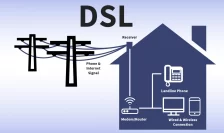
Learn what DSL (Digital Subscriber Line) is, how it works, and the difference between ADSL, VDSL, and other types. Discover advantages, limitations, and the future of DSL technology in broadband access.
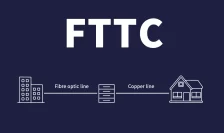
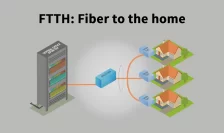
Learn what FTTC (Fiber to the Curb) is, how it works, its pros and cons, and how it compares with FTTH and DSL. Discover applications, equipment needs, and future trends in broadband access.
Discover how DDMI—the Digital Diagnostic Monitoring Interface—gives real-time insights into optical transceivers. Learn its key metrics, benefits, and how LINK-PP modules support it.
An application-specific integrated circuit, or ASIC, is a microchip made for a special job. Let's dive into the world of ASIC! Discover what exactly is an ASIC.
Understand SFP+ 40km (10GBASE-ER) modules, including specs, SMF compatibility, and how to choose the right extended-reach optical transceiver for your network.