Frequency-Division Multiplexing enables multiple signals to travel on one channel, ensuring clear, efficient communication for phones, TV, and internet.
Explore how LINK-PP optical modules enhance MPLS networks, supporting high-speed, reliable data transmission for carrier backbones, DCI, and enterprise VPNs.
Discover how a 1550 nm optical transceiver converts electrical signals into light for long-distance fiber links. Learn its benefits, tech specs, and LINK-PP models.
A fiber optic cable uses thin glass or plastic fibers to transmit data as light pulses, enabling fast, clear, and reliable communication over long distances.
Learn what an SFP duplex LC connector is, how it works in optical transceivers, and why it is widely used in fiber networks for reliable full-duplex communication.
Learn what a ToR (Top-of-Rack) switch is, how ToR architecture works, and why it’s the preferred networking model in modern data centers. Includes benefits, use cases, and compatible optical transceiver solutions from LINK-PP.
Data center virtualization uses software to create virtual servers, storage, and networks, improving efficiency, reducing costs, and boosting flexibility.
Learn what IEEE 802.3bm is and how it defines the key PHY interfaces for 40G and 100G Ethernet. Explore SR4, LR4, CR4 technologies and why this standard powers modern data centers.
XLPPI electrical interface connects 40G QSFP+ modules to network hardware using four lanes, ensuring high-speed, reliable data transfer and compatibility.
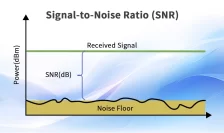
SNR, or signal-to-noise ratio, measures signal strength versus noise. High SNR means clearer audio, images, and data for better overall signal quality.
Learn what an Ethernet PHY is, how it connects MAC to network medium, core functions, signal types, and how it pairs with LINK‑PP Magnetics for Ethernet design.
Turns ratio in LAN transformers defines the winding relationship, typically 1:1, ensuring signal integrity, voltage stability, and Ethernet compliance.
Clock and Data Recovery synchronizes timing and data in high-speed communication, ensuring accurate, error-free data transfer without a separate clock signal.
Learn what hyperconverged infrastructure HCI is, how it compares with virtualization and dHCI, and when Nutanix, Sangfor, or SFP-based designs fit best.
Learn what LX SFP (1000BASE-LX) modules are, how they differ from LR/LH/SX, and practical tips for compatibility, multimode use, and real-world deployment.
Explain what a 100km SFP transceiver is, how ER and ZR differ, required wavelength, optical budget calculation, and whether amplification is needed for long-haul fiber links.
Discover what data bandwidth means, how it affects devices, and why it matters in digital communication. Learn how LINK-PP supports high-speed data transfer.
Optical transceiver modules convert electrical signals to light, enabling high-speed data transmission in fiber optic networks for modern communication.
Subscribe to LINK-PP
newsletter
Don’t miss anything. Get all the latest posts delivered straight to your inbox.