Modular Jack

100G Optical Transceivers

Topics
Through-Hole Technology (THT) involves inserting component leads into PCB holes and soldering them, ensuring durable connections for high-reliability applications.
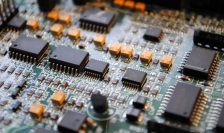
SMT, or Surface Mount Technology, is a method for mounting electronic components directly onto PCB surfaces, enabling compact designs and efficient manufacturing.
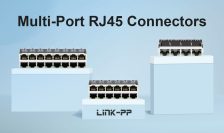
Explore multi‑port RJ45 connectors (1×N, 2×N). Shielded/unshielded options, LED or non‑LED, RoHS‑compliant — perfect for switches & embedded systems.
Learn about router functions, types, components, how it works, and compatible modules like LINK-PP’s SFP, RJ45 connectors, and LAN transformers.
Explore what a Wide Area Network (WAN) is, how it differs from LAN, and why WAN is vital in today’s enterprise connectivity.
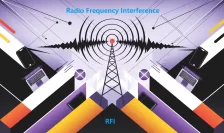
RFI Radio Frequency Interference is unwanted radio signals that disrupt electronic devices, causing performance issues and communication problems.
Learn the difference between MTTR and MTBF, how they impact system reliability, and how LINK-PP industrial connectors and SFP/SFP+ modules help improve network uptime.
Discover MTBF (Mean Time Between Failures), its importance for system reliability, and how LINK‑PP industrial connectors and SFP/SFP+ modules help maximize uptime.
Discover how RJ45 connectors enable Ethernet communication, signal integrity, PoE power, and system reliability in modern I/O modules for industrial and automation systems.
Learn how NAT (Network Address Translation) works, its types, benefits, limitations, and best practices for IPv6 and enterprise deployments.
Through-Hole Technology (THT) involves inserting component leads into PCB holes and soldering them, ensuring durable connections for high-reliability applications.
SMT, or Surface Mount Technology, is a method for mounting electronic components directly onto PCB surfaces, enabling compact designs and efficient manufacturing.
RFI Radio Frequency Interference is unwanted radio signals that disrupt electronic devices, causing performance issues and communication problems.
Discover MTBF (Mean Time Between Failures), its importance for system reliability, and how LINK‑PP industrial connectors and SFP/SFP+ modules help maximize uptime.
Learn how NAT (Network Address Translation) works, its types, benefits, limitations, and best practices for IPv6 and enterprise deployments.
Open System Interconnect explains the seven OSI layers, showing how devices communicate and ensuring interoperability in modern network environments.
A PLC-Programmable Logic Controller automates machines and processes, offering reliable, flexible control for efficient industrial automation systems.
What RoHS certification means, which substances are restricted, and why compliance matters for electronic manufacturers and importers.
Electromagnetic interference (EMI) disrupts electronic devices by introducing unwanted electromagnetic energy, causing malfunctions and performance issues.
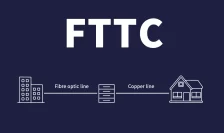
Learn what FTTC (Fiber to the Curb) is, how it works, its pros and cons, and how it compares with FTTH and DSL. Discover applications, equipment needs, and future trends in broadband access.