


What Does SMT Mean?
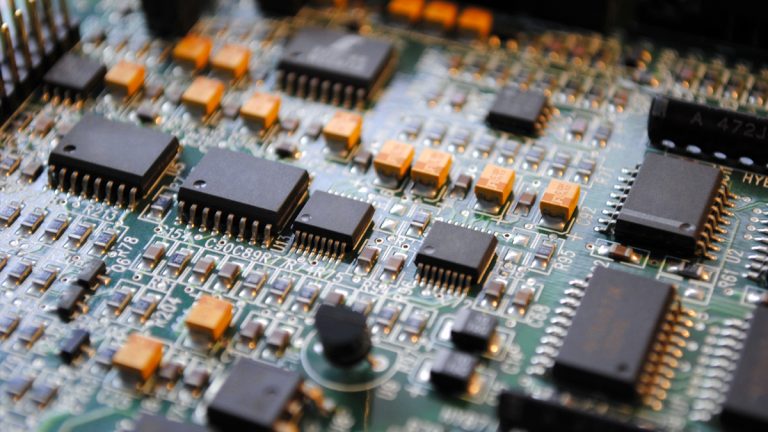
SMT, or Surface Mount Technology, is a method for mounting electronic components directly onto PCB surfaces, enabling compact designs and efficient manufacturing.
SMT, or Surface Mount Technology, is a method for mounting electronic components directly onto PCB surfaces, enabling compact designs and efficient manufacturing.

A Surface-Mount Device (SMD) is a compact electronic component mounted directly on a PCB, enabling smaller, faster, and more efficient modern electronics.

What is SWDM? SWDM is a fiber technology using four short wavelengths to boost data rates and efficiency in multimode fiber networks.
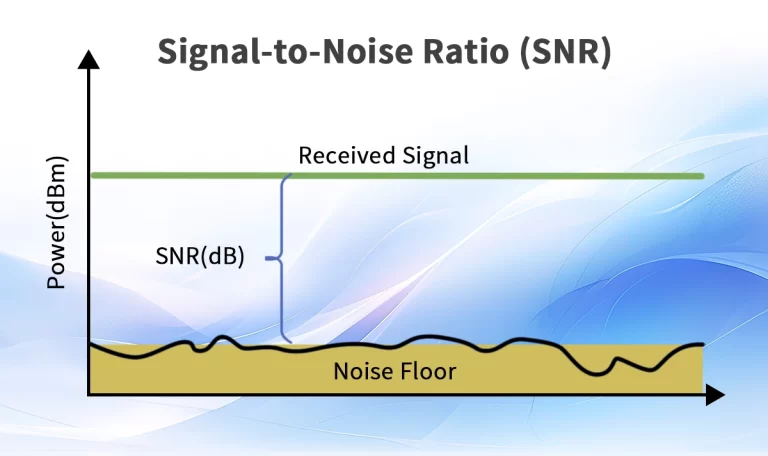
SNR, or signal-to-noise ratio, measures signal strength versus noise. High SNR means clearer audio, images, and data for better overall signal quality.

Learn how the Serial Framing Interface (SFI) enables high-speed data transmission in 10G SFP+ and 40G QSFP+ optical modules. Explore SFI channels, XGMII conversion, and module interoperability for reliable networking.

A Storage Area Network connects servers to shared storage, offering fast, reliable, and centralized data access for businesses with large data needs.

Space Division Multiplexing increases fiber network capacity by sending multiple data streams through separate paths in a single cable.
Discover SONET and SDH, the backbone technologies for high-speed fiber-optic communications. Learn about their standards, applications, and differences to enhance your network infrastructure knowledge.
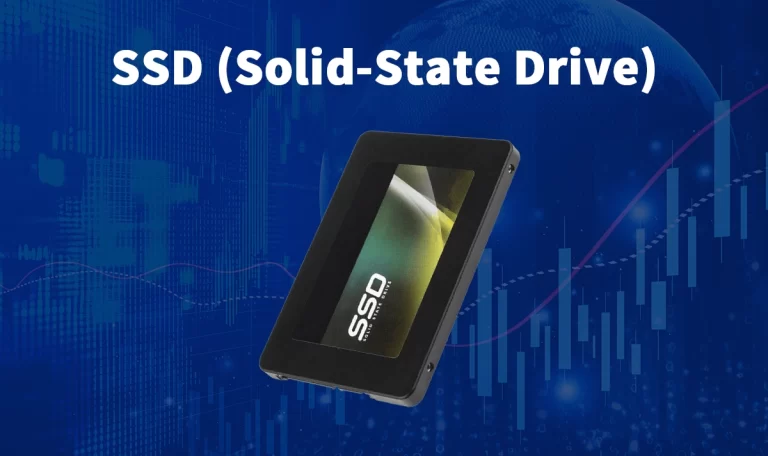
Discover what an SSD (Solid-State Drive) is, how it works, its advantages over HDDs, and its role in modern computing and enterprise storage.

Discover what signal coupling is, how capacitive and transformer coupling work, and why they are vital in electronics, networking, and PCB design.