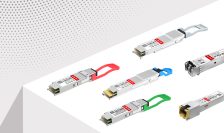
Discover the LQ‑SW40‑SR4C 40GBASE‑SR module: high-speed, low-power, QSFP+ optics for multimode fibre networks. Perfect for data centres and network upgrades.
The LINK-PP LQD-CW400-LR4C 400G QSFP-DD LR4 Transceiver offers 10km range, 400Gbps speed, and energy efficiency, ideal for data centers and enterprise networks.
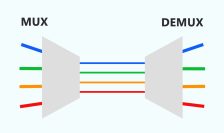
Wavelength Division Multiplexing (WDM) uses optical transceiver modules to send multiple data streams through a single fiber, boosting bandwidth and efficiency.
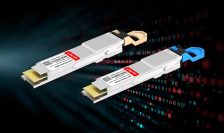
QSFP-DD Optical Transceivers deliver up to 800Gbps speeds, offering high bandwidth, energy efficiency, and compatibility for modern networks and data centers.
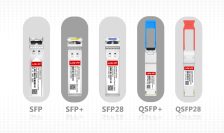
Compare SFP, SFP+, SFP28, QSFP+, and QSFP28 optical transceivers. Learn how form factors affect speed, compatibility, and performance in modern networks.
About LINK-PP: A global leader in magnetic components, offering high-quality RJ45 Connectors, LAN Transformers, and Optical Transceivers for reliable networks.
The Receiver Optical Sub-Assembly (ROSA) is a critical optoelectronic component in Optical Tranceivers, responsible for converting incoming optical signals into
Compare Network Time Protocol (NTP) and Precision Time Protocol (PTP) to choose the right time sync solution for your network’s accuracy and hardware needs.
Explore how 6G networks challenge optical transceivers with ultra-high bandwidth demands, and discover advanced solutions like CPO, silicon photonics, and LINK-PP 6G-ready optical modules.
A clear, authoritative guide to 6G networks: what 6G is, IMT-2030 timeline, core technologies (THz, ISAC, AI-native networks), key use cases, and implications for optical modules.
Discover how silicon photonics enables high-speed, energy-efficient optical communication by integrating photonics and silicon electronics—applications, advantages, and challenges.
Discover how silicon photonics is reshaping optical transceivers with higher bandwidth, lower power, and advanced integration for AI, 5G, and data center networks.
Time-Sensitive Networking ensures reliable, on-time data delivery, while PTP focuses on clock synchronization. Compare TSN vs PTP for your network needs.
Explore the critical differences between CPRI and eCPRI fronthaul interfaces—bandwidth, latency, functional-split, transport topology—and why eCPRI is driving 5G deployments.
Explore how Ethernet transformers enable reliable, EMI-resistant data in avionics Ethernet systems. Learn their functions, design needs, and LINK-PP solutions.
A disaster recovery solution for optical networks ensures rapid recovery, minimizes downtime, and protects critical data center operations from unexpected failures.
Explore what Supervisory Control and Data Acquisition (SCADA) systems are, how they work, and their vital role in industrial automation and smart infrastructure.
SSH File Transfer Protocol (SFTP) offers secure file transfer protocol features, using encryption and authentication to protect data during file transfers.
Discover the LQ‑SW40‑SR4C 40GBASE‑SR module: high-speed, low-power, QSFP+ optics for multimode fibre networks. Perfect for data centres and network upgrades.
Learn what hyperconverged infrastructure HCI is, how it compares with virtualization and dHCI, and when Nutanix, Sangfor, or SFP-based designs fit best.
Understand SFP+ 40km (10GBASE-ER) modules, including specs, SMF compatibility, and how to choose the right extended-reach optical transceiver for your network.
Subscribe to LINK-PP
newsletter
Don’t miss anything. Get all the latest posts delivered straight to your inbox.