Discover the LQ‑SW40‑SR4C 40GBASE‑SR module: high-speed, low-power, QSFP+ optics for multimode fibre networks. Perfect for data centres and network upgrades.
The Domain Name System (DNS) converts domain names into IP addresses, enabling devices to connect to websites and services quickly and reliably online.
Explore the IEEE 802.3by standard for 25GBASE Ethernet. Learn specs, media types, application scenarios, and how LINK-PP SFP28 modules support reliable 25GbE networks.
Learn how 25GBASE-SR SFP28 optical modules enable short-reach, high-density server-to-switch links in modern data centers, including OM3/OM4 reach, VCSELs, and deployment best practices.
Explore how distributed control systems (DCS) empower industrial automation with reliable control loops, real-time monitoring, and enhanced process efficiency — key for modern plants.
Learn what Remote Terminal Units (RTUs) are, how they work in SCADA systems, key protocols (Modbus, DNP3, IEC), cybersecurity practices, and industrial Ethernet hardware considerations.
An Optical Channel Monitor measures channel power, wavelength, and OSNR in fiber optic networks, ensuring reliable performance and fast problem detection.
Clear, practical guide to SFF-8431 — the SFP+ 10G electrical interface standard. Learn the key requirements, design considerations, and how LINK-PP 10G SFP modules comply.
Discover how optical modules (SFP, QSFP, CWDM) enable high-speed, long-distance communication in GPU clusters for AI training and HPC. Explore LINK-PP solutions for reliable cluster networking.
Frequency Division Multiple Access assigns each user a unique frequency band, enabling clear, simultaneous communication in phones, radios, and satellites.
Broadband is the internet service itself, while WiFi is the wireless technology that distributes it. Learn their differences and how LINK-PP’s optical transceivers enhance broadband performance.
Discover how optical transceivers power broadband networks by enabling high-speed fiber data, low latency, and scalable infrastructure with LINK-PP solutions.
Compare FTTH and FWA broadband technologies. Learn their differences in speed, cost, deployment, and use cases. Discover how LINK-PP SFP modules support both networks.
explains how optical splitters enable FTTH, their types (FBT vs. PLC), key ratios, and how they integrate with LINK-PP optical modules for a seamless network.
Discover how DDMI—the Digital Diagnostic Monitoring Interface—gives real-time insights into optical transceivers. Learn its key metrics, benefits, and how LINK-PP modules support it.
OTN is a digital transport standard defined by ITU-T for high-capacity optical transmission. Learn how LINK-PP optical transceivers enable OTN-based connectivity.
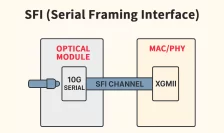
Learn how the Serial Framing Interface (SFI) enables high-speed data transmission in 10G SFP+ and 40G QSFP+ optical modules. Explore SFI channels, XGMII conversion, and module interoperability for reliable networking.
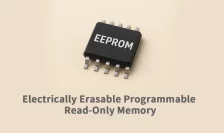
Discover how EEPROM ensures reliable configuration, superior compatibility, and lifetime flexibility in networking hardware: from RJ45 to optical modules.
Discover what IEEE means for network hardware, key standards like IEEE 802.3, and how LINK-PP delivers certified, reliable Ethernet solutions for B2B procurement.
An application-specific integrated circuit, or ASIC, is a microchip made for a special job. Let's dive into the world of ASIC! Discover what exactly is an ASIC.
Discover the LQ‑SW40‑SR4C 40GBASE‑SR module: high-speed, low-power, QSFP+ optics for multimode fibre networks. Perfect for data centres and network upgrades.
Learn what hyperconverged infrastructure HCI is, how it compares with virtualization and dHCI, and when Nutanix, Sangfor, or SFP-based designs fit best.
Understand SFP+ 40km (10GBASE-ER) modules, including specs, SMF compatibility, and how to choose the right extended-reach optical transceiver for your network.