Discover the LQ‑SW40‑SR4C 40GBASE‑SR module: high-speed, low-power, QSFP+ optics for multimode fibre networks. Perfect for data centres and network upgrades.
Understand TDCEQ, the critical PAM4 transmitter quality metric for modern optical modules. Learn how tdecq measures vertical eye closure and affects 50/100/400g module performance and compliance.
Discover the role of Gearbox in modern optical transceivers. Learn how it enables channel alignment, rate conversion, and breakout for 50G, 100G, and 200G networks.
Learn how optical pulses transmit high-speed data in fiber networks. Explore principles, applications, and why LINK-PP optical transceivers deliver cleaner, more reliable pulses.
Learn what FMMU (Fieldbus Memory Management Unit) is and how it enables real-time EtherCAT communication through efficient memory mapping and on-the-fly data processing.
Learn what the EtherCAT Slave Controller (ESC) is and how it processes real-time frames, manages FMMU mapping, and enables high-speed industrial automation.
exploring cloud migration and its benefits, strategies, best practices, also delve into the essential hardware, like optical modules, that make it all possible.
Discover what a MoR switch (Middle-of-Rack switch) is, how MoR compares to ToR/EoR, and which SFP+/SFP28/QSFP modules work best — a practical guide for datacenter design.
Learn what a ToR (Top-of-Rack) switch is, how ToR architecture works, and why it’s the preferred networking model in modern data centers. Includes benefits, use cases, and compatible optical transceiver solutions from LINK-PP.
Discover what a backplane is, how backplane channels support high-speed 40G/100G Ethernet, key standards, and design challenges. Learn how LINK-PP RJ45 connectors enhance backplane performance.
Learn the IEEE 802.3bj 100G Ethernet standard for backplane and copper cable interconnects. Explore PAM4, FEC, KP4/KR4/CR4 PHYs, and how LINK-PP modules support high-speed networks.
Discover the role of Gearbox in modern optical transceivers. Learn how it enables channel alignment, rate conversion, and breakout for 50G, 100G, and 200G networks.
Learn what IEEE 802.3cd defines for 50G, 100G and 200G Ethernet. Explore PAM4 technology, key PMDs, deployment use cases and suitable LINK-PP optical transceivers.
Insertion loss in RJ45 connectors weakens signal strength, impacting network reliability. Learn how to minimize insertion loss for optimal performance.
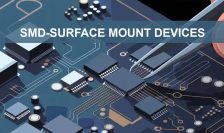
A Surface-Mount Device (SMD) is a compact electronic component mounted directly on a PCB, enabling smaller, faster, and more efficient modern electronics.
CPRI (Common Public Radio Interface) connects baseband units to remote radio units, enabling high-speed, low-latency communication in wireless networks.
EMC Electromagnetic Compatibility ensures devices work safely and reliably in shared environments by minimizing interference and meeting compliance standards.
SMT, or Surface Mount Technology, is a method for mounting electronic components directly onto PCB surfaces, enabling compact designs and efficient manufacturing.
Discover the LQ‑SW40‑SR4C 40GBASE‑SR module: high-speed, low-power, QSFP+ optics for multimode fibre networks. Perfect for data centres and network upgrades.
Learn what hyperconverged infrastructure HCI is, how it compares with virtualization and dHCI, and when Nutanix, Sangfor, or SFP-based designs fit best.
Understand SFP+ 40km (10GBASE-ER) modules, including specs, SMF compatibility, and how to choose the right extended-reach optical transceiver for your network.
Subscribe to LINK-PP
newsletter
Don’t miss anything. Get all the latest posts delivered straight to your inbox.