Discover the LQ‑SW40‑SR4C 40GBASE‑SR module: high-speed, low-power, QSFP+ optics for multimode fibre networks. Perfect for data centres and network upgrades.
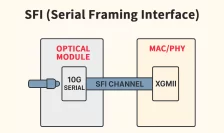
Learn how the Serial Framing Interface (SFI) enables high-speed data transmission in 10G SFP+ and 40G QSFP+ optical modules. Explore SFI channels, XGMII conversion, and module interoperability for reliable networking.
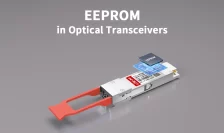
Learn why EEPROM is essential for module identification, monitoring, and compatibility, and how LINK-PP’s SFP/QSFP modules follow SFF-8472 and SFF-8024 Standard.
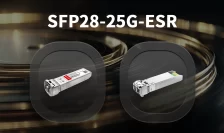
The SFP28-25G-SR transceiver delivers 25Gbps speeds, short-range fiber connectivity, and reliable performance for data centers and enterprise networks.
Learn what SFF-8636 is, why it matters for QSFP/QSFP28 optics, and how its 2-wire management interface, memory map, power classes, and alarms ensure interoperability.
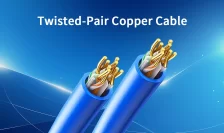
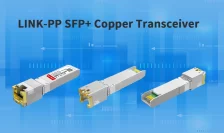
Discover the LINK-PP 10GBase-T Copper SFP+ Transceiver. Supporting 10Gbps over Cat6a/7 cables up to 80m. Compatible with Cisco, Dell, H3C, Juniper, and Arista.
ESD Protection for electronics is simplified with LINK-PP’s smart factory, offering robust safeguards in Optical Ms, RJ45s, Transformers, and Fiber Optic Cages.
Discover how LINK-PP’s LAN transformers deliver high speed and signal integrity, and certified electrical isolation—ideal for industrial, PoE, and IoT network.
Medical-grade RJ45 connector ensures safe, reliable, and compliant network connections in medical devices, meeting IEC 60601-1 and sterilization standards.
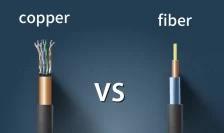
Fiber optic cable offers faster speeds, longer distances, and better reliability than copper cable, making it ideal for high-performance internet and networks.
CWDM vs DWDM: Cost-effective 8-channel metro optics vs high-density 96+ channel long-haul systems. Choose LINK-PP optical transceivers for both WDM solutions.
Cooperation Between LINK-PP and Vietnam Telecom in 2025 boosts Vietnam’s telecom with advanced optical modules, enhancing speed, reliability, and scalability.
Compare PC vs UPC vs APC fiber connectors to choose the best type for your network. Understand differences in return loss, insertion loss, and applications.
Discover the Decision Feedback Equalizer (DFE), the nonlinear technique essential for minimizing ISI. Learn how DFE improves bit BER in optics transceivers and long-haul data links.
Learn what FFE (Feed-Forward Equalizer) is, how transmit equalization works, and why FFE is essential for high-speed optical modules and SerDes signal integrity.
A wireless LAN (WLAN) connects devices like laptops and phones using radio waves, enabling flexible, cable-free networking in homes, schools, or offices.
Learn how the Continuous-Time Linear Equalizer (CTLE) dramatically improves signal integrity in SFP modules, effectively combating channel loss and maximizing link performance.
Understand TDCEQ, the critical PAM4 transmitter quality metric for modern optical modules. Learn how tdecq measures vertical eye closure and affects 50/100/400g module performance and compliance.
Discover the LQ‑SW40‑SR4C 40GBASE‑SR module: high-speed, low-power, QSFP+ optics for multimode fibre networks. Perfect for data centres and network upgrades.
Learn what hyperconverged infrastructure HCI is, how it compares with virtualization and dHCI, and when Nutanix, Sangfor, or SFP-based designs fit best.
Understand SFP+ 40km (10GBASE-ER) modules, including specs, SMF compatibility, and how to choose the right extended-reach optical transceiver for your network.