


Understanding COB, BOX, and TO-CAN Packaging for Optical Devices

COB, BOX, and TO-CAN packaging impact optical devices by balancing size, cost, and reliability. Learn how COB excels in compact, high-speed applications.
COB, BOX, and TO-CAN packaging impact optical devices by balancing size, cost, and reliability. Learn how COB excels in compact, high-speed applications.

PCBA stands for Printed Circuit Board Assembly. It's essentially a bare PCB that has had all the necessary electronic components soldered onto it.

Ensure reliable optical transceiver performance with regular tests for metrics like BER, extinction ratio, and receiver sensitivity to avoid network disruptions.

Copper SFP modules enable cost-effective, high-speed data transfer over short distances using existing copper cables, ideal for offices and data centers.
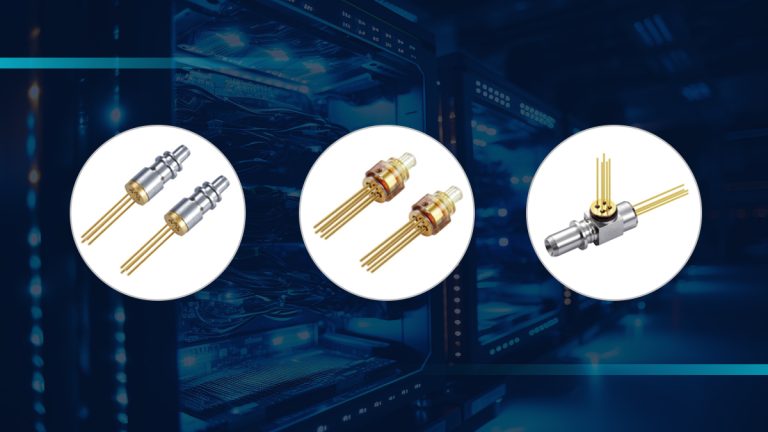
TOSA, ROSA, and BOSA are key components in optical transceivers, enabling high-speed data transmission, reception, and bidirectional communication in modern networks.
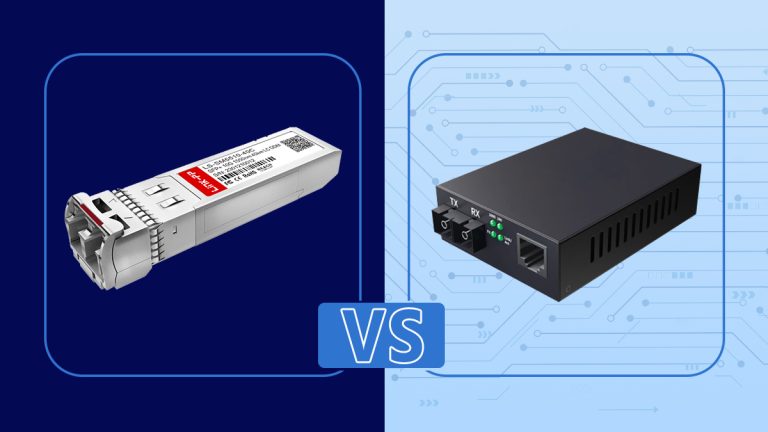
Compare optical transceivers and fiber media converters to understand their roles, advantages, and use cases in modern networking and data transmission.

Understand the operating temperature range of optical transceivers, including commercial (0°C-70°C), extended (-20°C-85°C), and industrial (-40°C-85°C) grades.

Understand optical transceiver terminology like SR, LR, ER, and ZR to choose the right module for your network's speed, distance, and compatibility needs.

MSA standardize optical transceiver designs, ensuring compatibility, reducing costs, and driving innovation across networking equipment.

Explore PIN and APD photodiode technologies, their concept, working principles, key difference, and applications in optical communication