


FDM Demystified: What is Frequency-Division Multiplexing?
Frequency-Division Multiplexing enables multiple signals to travel on one channel, ensuring clear, efficient communication for phones, TV, and internet.
Frequency-Division Multiplexing enables multiple signals to travel on one channel, ensuring clear, efficient communication for phones, TV, and internet.
TDM (Time-Division Multiplexing) lets multiple signals share one channel by assigning time slots, improving efficiency in telecom, broadcasting, and networks.
Discover how microcontroller units (MCUs) support optical transceivers by enabling real-time monitoring, diagnostics-enabled modules (DOM), and precise laser control. Explore their essential role in LINK-PP modules for improved reliability.
OTU4 vs 100GE: Compare speed, reliability, and use cases to choose the best high-speed protocol for your network’s needs and future growth.
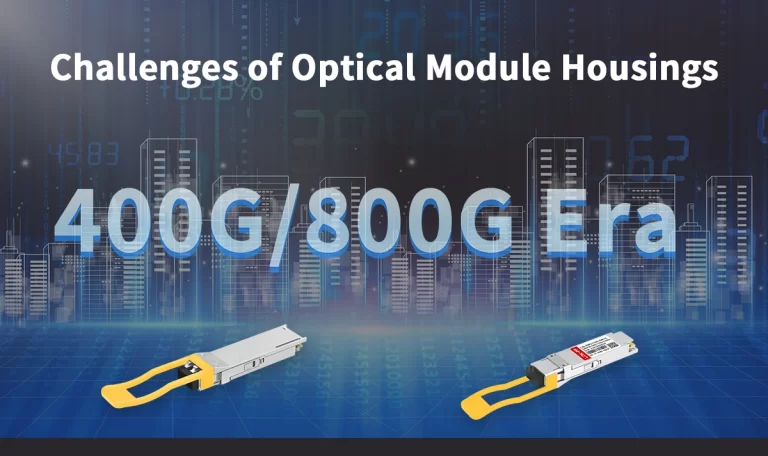
Explore the critical challenges of optical module housings in the 400G/800G era: heat management, material limits, signal integrity, and how innovation tackles them.
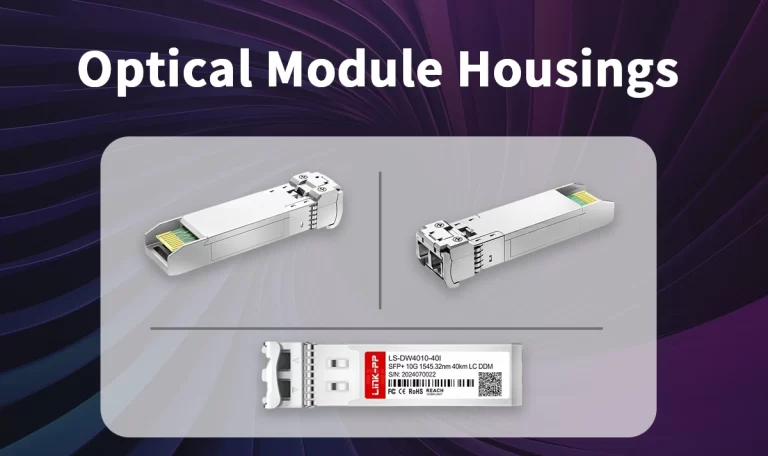
Discover the role of optical module housings in data centers & 5G. Learn about materials like ceramics & alloys, thermal challenges, and explore Link-PP's optical transceivers.
Space Division Multiplexing increases fiber network capacity by sending multiple data streams through separate paths in a single cable.
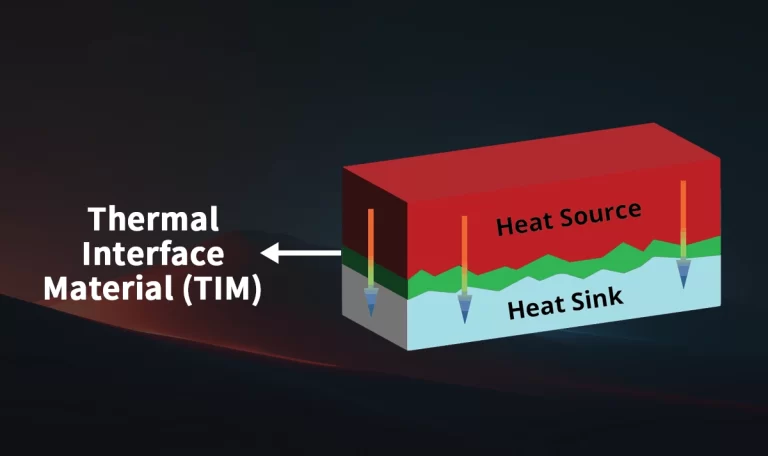
Explore what Thermal Interface Material (TIM) is, its key types, and why it matters in electronics and optical transceivers. Learn how TIM improves heat transfer, boosts device reliability, and supports LINK-PP modules—all explained clearly for better SEO and reader value.