


NVMe (Non-Volatile Memory Express) Explained: Speed, Benefits, and Use Cases
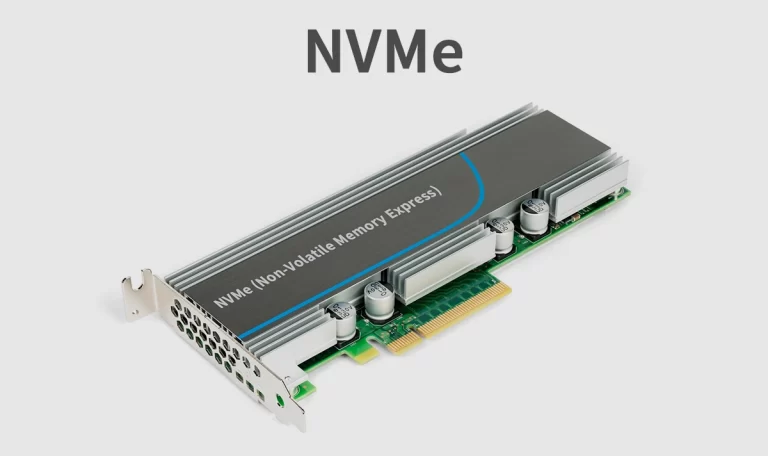
Learn what NVMe (Non-Volatile Memory Express) means, how it compares to SATA SSDs, and why it delivers faster speed, lower latency, and better efficiency.
Learn what NVMe (Non-Volatile Memory Express) means, how it compares to SATA SSDs, and why it delivers faster speed, lower latency, and better efficiency.
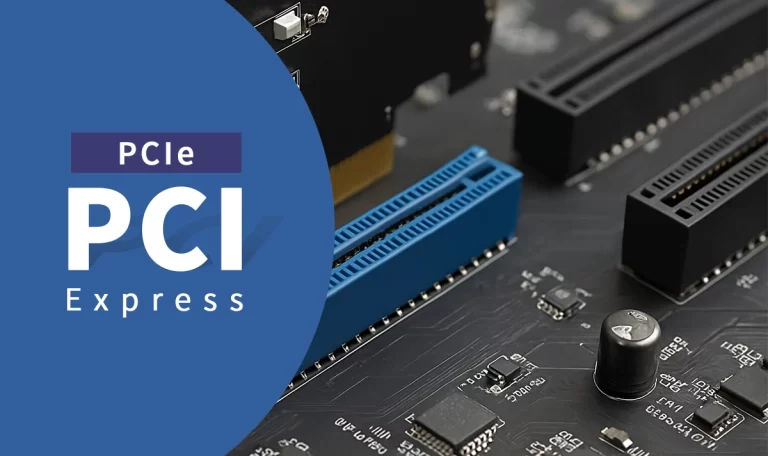
Learn what PCI Express (PCIe) is, how it works, and why it matters. Explore PCIe versions, bandwidth speeds, and its role in GPUs, SSDs, and data centers.

Passive optical networks use fiber and unpowered splitters to deliver fast, reliable internet from providers to multiple users efficiently.
ONU vs ONT explained: Understand the key differences, roles, and which device suits your fiber optic internet needs for home or shared buildings.
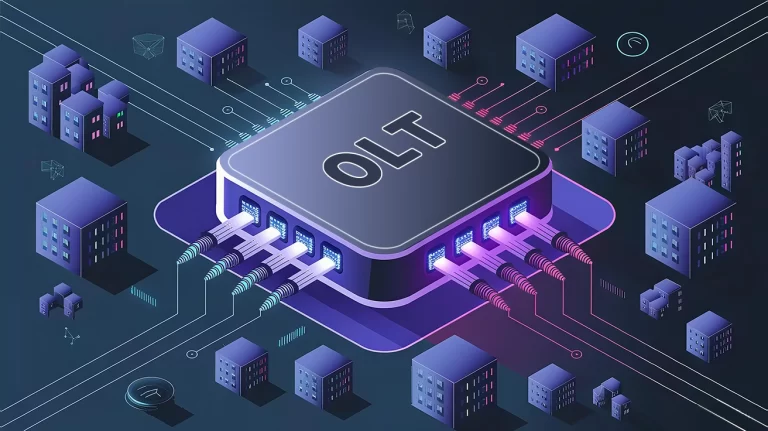
What is Optical Line Terminal (OLT)? An OLT is the main device in fiber networks, converting signals and managing data for fast, stable internet connections.
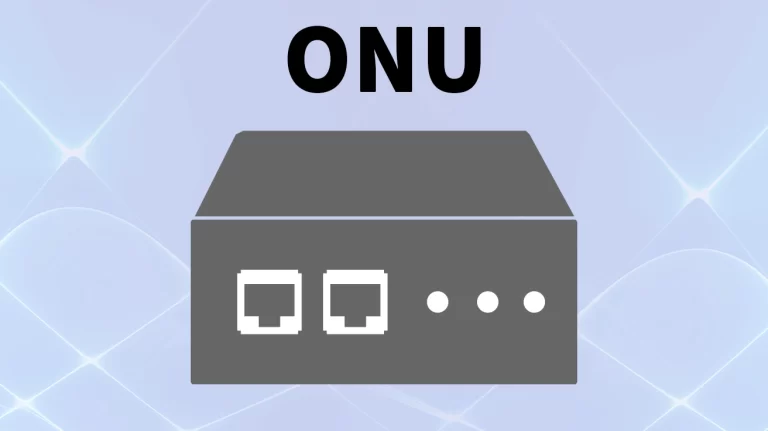
What is Optical Network Unit (ONU)? An ONU converts fiber optic signals for your devices, ensuring fast, stable internet at home or business.
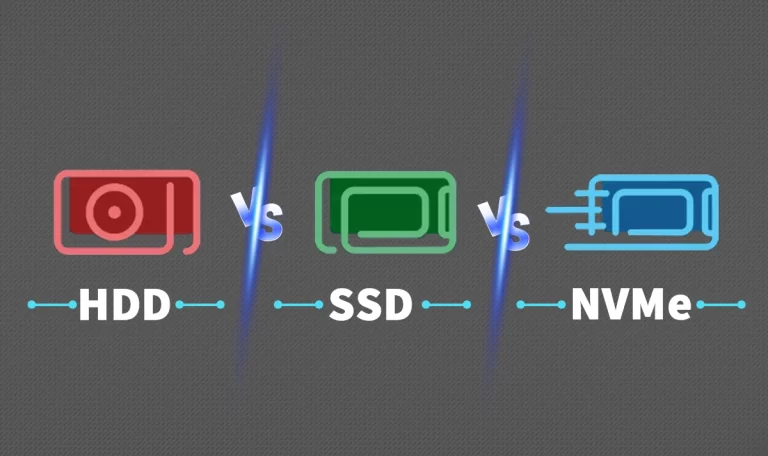
Explore the differences between HDD, SSD, and NVMe drives. Learn about speed, cost, and best use cases, and see how LINK-PP connectivity solutions support storage systems.
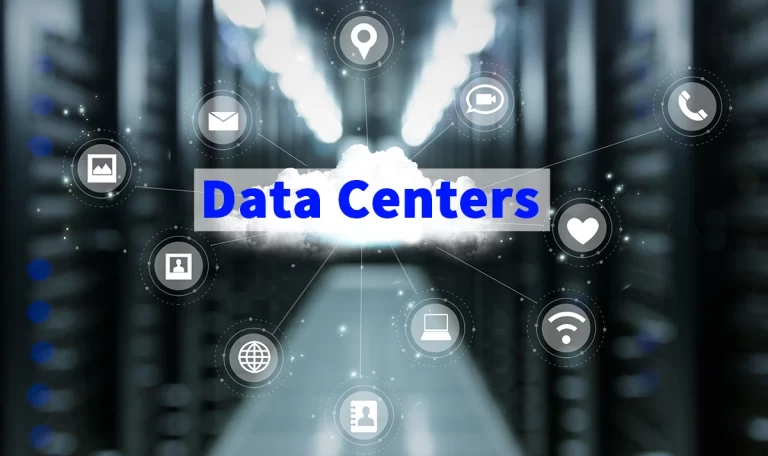
Discover what data centers are, how they work, their main types, and future trends. Learn why data centers power today’s cloud, AI, and digital services.