Discover how DDMI—the Digital Diagnostic Monitoring Interface—gives real-time insights into optical transceivers. Learn its key metrics, benefits, and how LINK-PP modules support it.
Discover the role of optical module housings in data centers & 5G. Learn about materials like ceramics & alloys, thermal challenges, and explore Link-PP's optical transceivers.
QSFP+ 40G LR4 enables high-speed, long-range data transfer for data centers, enterprises, and telecoms, supporting reliable 40G network growth in 2025.
QSFP+ 40G ER4 is a 40G transceiver for long-distance, high-speed links up to 40km, ideal for data centers and enterprise networks using single-mode fiber.
Unlock high-speed industrial automation with EtherCAT. Learn how EtherCAT achieves sub-microsecond synchronization, its principles, and why it is critical for modern motion control and smart factories.
Data center virtualization uses software to create virtual servers, storage, and networks, improving efficiency, reducing costs, and boosting flexibility.
Discover what a backplane is, how backplane channels support high-speed 40G/100G Ethernet, key standards, and design challenges. Learn how LINK-PP RJ45 connectors enhance backplane performance.
An SGMII SFP transceiver enables fast Ethernet connections over copper or fiber, supporting flexible speeds and device compatibility in modern networks.
AWS (Amazon Web Services) powers global cloud computing with scalable services and high-speed data center networks. Learn AWS basics, architecture, and how optical transceivers support AWS connectivity.
Microsoft Azure is a cloud platform offering scalable solutions for businesses. Learn about its architecture, services, and how optical Modules support Azure’s cloud networking.
Discover how DDMI—the Digital Diagnostic Monitoring Interface—gives real-time insights into optical transceivers. Learn its key metrics, benefits, and how LINK-PP modules support it.
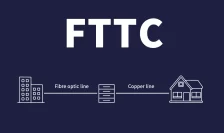
Learn what FTTC (Fiber to the Curb) is, how it works, its pros and cons, and how it compares with FTTH and DSL. Discover applications, equipment needs, and future trends in broadband access.
An application-specific integrated circuit, or ASIC, is a microchip made for a special job. Let's dive into the world of ASIC! Discover what exactly is an ASIC.
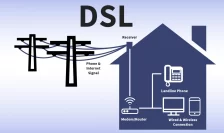
Learn what DSL (Digital Subscriber Line) is, how it works, and the difference between ADSL, VDSL, and other types. Discover advantages, limitations, and the future of DSL technology in broadband access.
Understand SFP+ 40km (10GBASE-ER) modules, including specs, SMF compatibility, and how to choose the right extended-reach optical transceiver for your network.
Explain what a 100km SFP transceiver is, how ER and ZR differ, required wavelength, optical budget calculation, and whether amplification is needed for long-haul fiber links.