SMT, or Surface Mount Technology, is a method for mounting electronic components directly onto PCB surfaces, enabling compact designs and efficient manufacturing.
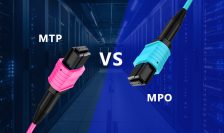
Compare MTP and MPO connectors to find the best fit for your network. Learn how MTP connectors offer superior performance, scalability, and reliability.
CAT5e vs CAT6 vs CAT7: Compare Ethernet cables to find the best fit for your network. Learn about speed, shielding, and cost to make an informed choice.
Fiber patch cords are essential for connecting devices in networks, ensuring fast, reliable data transfer in telecom, data centers, and industrial applications.
Understand 100G optical transceiver form factors like QSFP28, CFP, CFP2, CFP4 and CXP. Learn how they optimize network performance and ensure compatibility.
Dual rate transceivers operate at two distinct data rates, offering flexibility, cost-effectiveness, and seamless compatibility for modern network upgrades.
LINK-PP 100G transceivers deliver high-speed connectivity, energy efficiency, and seamless integration, making them ideal for modern networks and data centers.
Learn how to choose the best LINK-PP 10G optical transceivers for your network by evaluating compatibility, performance, cost, and scalability effectively.
What are SFP ports on a switch? Learn how SFP ports support fiber and Ethernet connections, how they compare with RJ45 and SFP+, and which module you need.
An SGMII SFP transceiver enables fast Ethernet connections over copper or fiber, supporting flexible speeds and device compatibility in modern networks.
Discover what Integrated Circuits (ICs) are, how they work, and their role in electronics. Learn about IC types, applications, and how LINK-PP networking products complement ICs.
Explore the fundamentals of Graphics Processing Units (GPUs), their specifications, and applications in gaming, AI, and high-performance computing. Learn how to choose the right GPU for your needs.
Optical Distribution Network ensures fast, reliable FTTH by linking providers to homes with scalable, passive fiber, supporting high-speed broadband delivery.
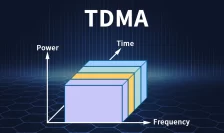
Time Division Multiple Access allows multiple users to share one channel by assigning time slots, ensuring clear calls and efficient data in modern networks.
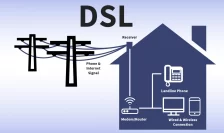
Learn what DSL (Digital Subscriber Line) is, how it works, and the difference between ADSL, VDSL, and other types. Discover advantages, limitations, and the future of DSL technology in broadband access.
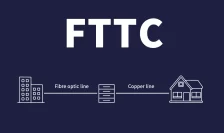
Learn what FTTC (Fiber to the Curb) is, how it works, its pros and cons, and how it compares with FTTH and DSL. Discover applications, equipment needs, and future trends in broadband access.
Discover what FWA is, how it delivers broadband using 4G/5G wireless networks, and why it matters for connectivity. Learn its benefits, challenges, and how LINK-PP SFP modules support reliable FWA deployments.
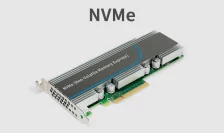
Learn what NVMe (Non-Volatile Memory Express) means, how it compares to SATA SSDs, and why it delivers faster speed, lower latency, and better efficiency.
Explore Copper SFP vs. Fiber SFP differences, performance, compatibility, and cost. Learn how to choose the right SFP module for home labs, data centers, and PoE networks.
Learn how multimode SFP+ (10GBASE-SR) transceivers work, including fiber types, transmission distance, specifications, and common data center use cases.
Learn what a 1000BASE-T Copper SFP is, how RJ45 SFP modules work, when to use copper SFP instead of fiber, compatibility issues, and common troubleshooting tips.
Explore the features, applications, and selection guide for optical transceiver SFP+ 10G single-mode 1310nm 10km LC modules for data centers and enterprise networks.
Understand what a third-party SFP is, how compatible optics work with Cisco, Juniper, and Arista switches, and the cost, risks, and buying tips for reliable network deployments.
A complete technical guide to SFP-10GLR-31 transceivers covering 10GBASE-LR specifications, wavelength, fiber compatibility, switch support, and real deployment scenarios.
A technical guide to SFP+ 100km optics, explaining 10GBASE-ZR modules, optical link budgets, DWDM solutions, and real-world deployment tips for long-distance fiber networks.
Explain what a 100km SFP transceiver is, how ER and ZR differ, required wavelength, optical budget calculation, and whether amplification is needed for long-haul fiber links.
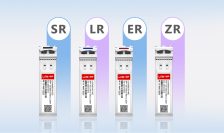
Complete guide to long distance transceivers covering 10km to 120km optics, 1310nm vs 1550nm, ER/ZR modules, link budget calculation, and deployment best practices.
Subscribe to LINK-PP
newsletter
Don’t miss anything. Get all the latest posts delivered straight to your inbox.